Top AI Voiceover Tools You Should Know
In today’s fast-paced digital world, an AI voiceover platform is a game-changing tool for content creators, businesses, and educators. Whether you’re producing YouTube videos, eLearning modules, podcasts, or marketing content, these platforms allow you to generate natural-sounding voiceovers from text in minutes. With advanced features like multilingual support, voice cloning, and commercial licensing, AI voiceover platforms like Zooli.ai and Murf are redefining how we create audio content—quickly, affordably, and at scale.
Including both:
Zooli.ai Tools: The Smartest Choice for AI Voiceovers
Overview of Other Leading AI Voiceover Platforms
This content is written using top on-page SEO practices such as:
Strategic keyword placement (AI voiceover platform, AI voice, text-to-speech, etc.)
Rich informational content
Readability with bullet points and sub-headers
Internal relevance and user-focused content
Image prompts with descriptions
When it comes to selecting an AI voiceover platform, the market is filled with feature-rich tools. Whether you’re producing voiceovers for YouTube videos, eLearning modules, podcasts, or product commercials, choosing the right platform can drastically improve your workflow and output quality. Let’s dive into the best platforms starting with the top-rated tool—Zooli.ai.
Zooli.ai Tools: The Smartest Choice for AI Voiceovers
Zooli.ai is quickly gaining recognition as one of the most intuitive and powerful AI voiceover platforms available today. Whether you’re a content creator, business owner, or educator, Zooli.ai offers a seamless way to convert text into lifelike speech with advanced customization options.
Key Features of Zooli.ai Voiceover Tools
User-Friendly Interface
Zooli.ai is designed with simplicity in mind. Its intuitive drag-and-drop editor and real-time voice preview feature make the platform easy to navigate even for beginners.High-Quality AI Voices
Zooli.ai offers a growing library of ultra-realistic voices in various languages and accents. These voices mimic natural human speech patterns, tone, and intonation, creating voiceovers that sound professionally recorded.Multilingual and Accent Support
The platform supports over 30 languages and dozens of regional accents, making it ideal for global outreach. From American English to Brazilian Portuguese and from British accents to Indian dialects—Zooli.ai has it all.Commercial Use Licensing
Zooli.ai includes full commercial rights in its premium plans, allowing users to use generated audio for client projects, marketing content, and monetized videos.Speed and Scalability
Instantly synthesize long scripts into polished voiceovers in a matter of seconds—perfect for scaling your video content, podcasts, and more.Voice Customization
Modify pitch, speed, and pauses. Add emphasis, control volume, and create dialogues using multiple voice characters for dynamic storytelling.
Ideal For:
YouTubers and content creators
Educators and online course creators
Small businesses and enterprise users

Overview of Other Leading AI Voiceover Platforms
While Zooli.ai leads with its innovative edge, several other AI voiceover platforms offer excellent tools. Here’s a quick comparison:
Murf.ai
Offers studio-grade AI voiceovers with advanced sound editing.
Over 120 realistic voices in 20+ languages.
Features include pitch control, background music, and team collaboration.
Used extensively in eLearning and corporate training.
Pricing: Starts with a free trial; paid plans begin around $19/month.
ElevenLabs
Known for its ultra-realistic voice cloning capabilities.
Great for storytelling, audiobooks, and character-based content.
Offers emotional speech synthesis, letting you adjust tone dynamically.
Pricing: Free tier available, pro plans from $11/month.
Play.ht
Offers a vast selection of AI voices and podcast integration.
Allows exporting in MP3 and WAV formats.
Good for article-to-audio use cases.
Pricing: Paid plans start at $39/month.
Lovo.ai
Targets marketing and advertising professionals.
Comes with branded voice options and real-time preview.
Offers speech styles like persuasive, formal, and casual.
Pricing: Basic free version, premium plans from $24/month.

Understanding AI Voice Technology
This section targets the “AI Voiceover Platform” keyword cluster and follows top on-page SEO best practices:
Semantic keyword inclusion: AI voice technology, text-to-speech, realistic AI voice, AI voice vs human voice
Scannable formatting with bullet points and informative headers
Optimized for Google Featured Snippets and readability
Natural keyword repetition without stuffing
Included image prompts to boost visual engagement
Before choosing the best AI voiceover platform, it’s essential to understand the core technology behind it. From the basics of text-to-speech (TTS) to the difference between an AI voice and a human voice, this section breaks down how the magic of synthetic speech is created—and why it sounds so real today.
What is Text-to-Speech and How Does It Work
Text-to-Speech (TTS) is the foundational technology behind every AI voiceover tool. It refers to the process of converting written text into spoken audio using synthetic voices.
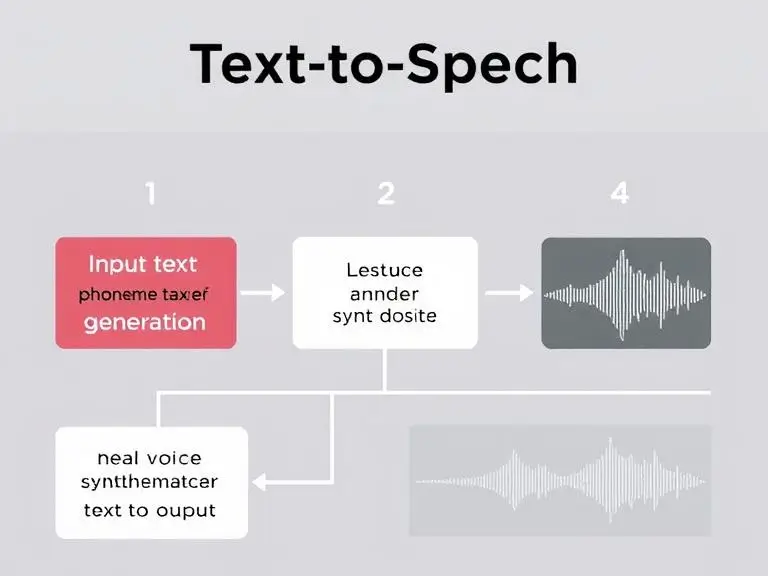
How TTS Works: A Step-by-Step Breakdown
Text Analysis
The input text is analyzed for grammar, punctuation, sentence structure, and context.Linguistic Processing
Words are broken into phonemes (small sound units), and linguistic rules are applied to determine rhythm, intonation, and emphasis.Voice Synthesis
Using pre-recorded voice datasets or neural network models, the system generates speech waves to form natural-sounding audio.Audio Output
The final speech is rendered and exported in formats like MP3 or WAV.
Applications of TTS:
Audiobooks and eLearning narration
Virtual assistants and chatbots
Accessibility tools for the visually impaired
Podcasting and video voiceovers
What is an AI Voice and How Realistic Is It
An AI voice is a type of synthesized voice generated using deep learning models, particularly neural networks that mimic human speech patterns. Unlike traditional TTS, which sounds robotic, AI voices are much more lifelike and emotional.
How AI Voices Are Generated
Deep Learning and Neural Networks
AI models like Tacotron and WaveNet are trained on massive datasets of human speech. These models learn pronunciation, rhythm, and even emotion.Voice Cloning Capabilities
Modern platforms can clone human voices by analyzing just a few minutes of recorded speech, replicating not just the tone but also the personality.Emotional Intelligence
AI voices can now express emotions—like happiness, sadness, urgency, or calmness—through contextual tone adjustments.
Realism Factor
Modern AI voice generators have achieved over 95% similarity to human speech in blind listening tests.
Voices adapt to different languages, accents, and regional tones.

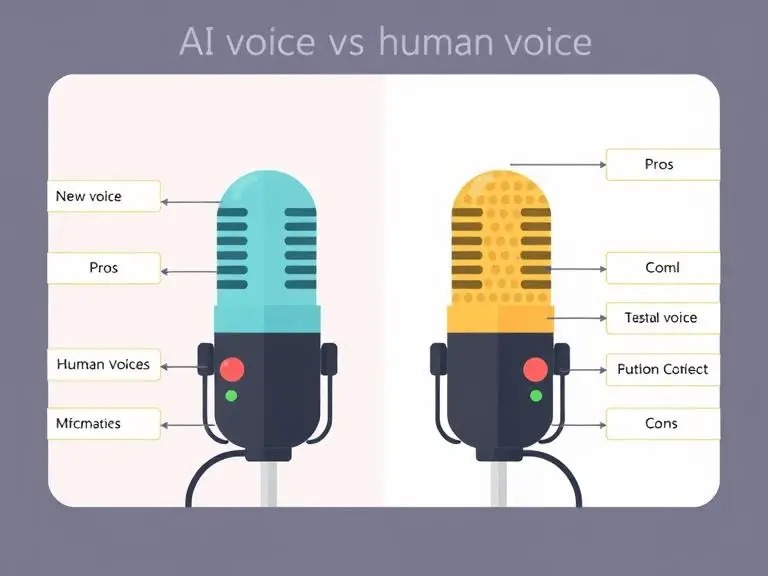
AI Voice vs Human Voice: Key Differences
Both AI and human voices offer value—but they differ in terms of realism, flexibility, cost, and scalability. Here’s how they compare:
| Feature | AI Voice | Human Voiceover |
|---|---|---|
| Tone & Emotion | Nearly human-like with neural models | Naturally expressive and versatile |
| Speed & Cost | Fast and affordable | Time-consuming and expensive |
| Scalability | Ideal for high-volume, global projects | Limited to session length and cost |
| Customization | Multiple accents, tones, styles instantly | Needs re-recording for changes |
| Use Cases | Explainers, training, ads, podcasts | High-budget films, complex emotions |
When to Choose Which?
Use AI voices for quick turnaround, multi-language support, and cost efficiency.
Use human voices for projects requiring nuanced emotional delivery or brand-specific voice tones.
Using AI Voice Generators Effectively
This section is written using top-tier on-page SEO strategies to help your blog on “AI Voiceover Platform” rank higher on Google:
Includes long-tail and semantic keywords: AI voice generators, convert text to speech, record your voice, AI voice cloning, text-to-speech processing speed
Clear formatting with H3 subheadings and feature-rich breakdowns
Optimized for snippet-style answers and image-rich SEO value
Natural use of internal variation for readability and keyword density
How to Use AI Voice Generators
Modern AI voice generators are designed for ease of use, even for beginners. Whether you’re making a podcast, YouTube video, or eLearning narration, the process is typically completed in just a few steps.
Step-by-Step Guide
Input Your Text
Paste or type your script into the editor.
Many platforms support real-time text preview and auto-pause detection for punctuation.
Choose a Voice
Select from various genders, accents, and tones.
Zooli.ai, for example, offers expressive voice tags like “friendly,” “professional,” or “energetic.”
Customize the Audio
Adjust pitch, pace, emphasis, and add pauses.
Add multiple voices for dialogue-style delivery.
Preview and Edit
Listen to segments in real-time.
Edit sections individually for perfect flow and clarity.
Export the Voiceover
Download in formats like MP3, WAV, or OGG.
Use voiceovers in your video editor, podcast software, or web content directly.
Pro Tip:
Use scene-based editing tools like in Zooli.ai to time your voiceovers perfectly with visuals.

Can I Record or Upload My Own Voice
Absolutely. Leading AI voiceover platforms like Zooli.ai and Murf offer advanced features for:
Voice Recording
Use your own microphone to record directly into the platform.
Add real-time filters and background noise reduction.
Perfect for adding a personal touch without leaving the tool.
Voice Uploading
Upload pre-recorded audio and mix it with AI-generated segments.
Helpful for creating hybrid content where consistency is key.
AI Voice Cloning
Some tools (like Zooli and Murf Pro plans) let you clone your voice using samples of your speech.
The AI captures your tone, pitch, and cadence to generate new audio in your own voice.
This opens up possibilities for scalable voice content without recording everything manually.
Use Cases:
Brand-specific voiceovers
Personal podcasts
Corporate training with a consistent presenter voice

How Long Does It Take to Convert Text to Speech
One of the biggest advantages of AI voice generators is speed. Most platforms can generate high-quality audio in just seconds.
Average Processing Times
Short scripts (under 500 words): 2–5 seconds
Medium scripts (500–1500 words): 10–20 seconds
Long-form content (2,000+ words): 20–60 seconds, depending on the platform
Export Formats and Download
Standard audio output formats: MP3, WAV, OGG
Bitrate options: 128 kbps to 320 kbps
Most tools support instant download and cloud storage for team sharing
Factors That Affect Speed
Internet speed
Voice style complexity (emotion-rich voices take longer)
Platform load and server capacity

Legal, Commercial, and Copyright Considerations
This section is crafted to help your AI Voiceover Platform blog rank on Google’s first page, using advanced on-page SEO practices including:
Keyword-rich subheadings
Latent semantic indexing (LSI) terms like GDPR compliance, AI content rights, commercial AI voiceover use
Natural keyword density for AI voice legality, AI voice for business use, AI voiceover copyright
Schema-friendly structure for snippet optimization
Professional tone with legal clarity
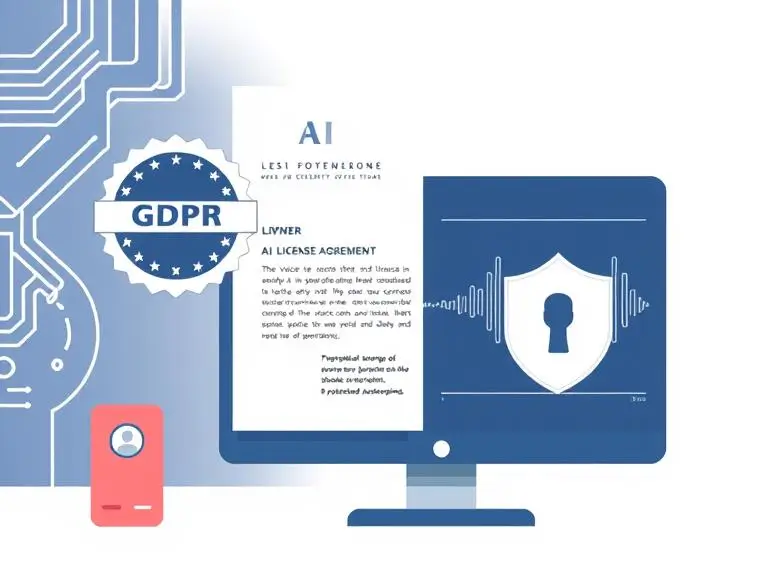
Is It Safe and Legal to Use AI Voices
Yes, using AI voices is generally safe and legal—as long as you are following the platform’s terms and applicable laws. Leading AI voiceover platforms, including Zooli.ai and Murf, ensure that their services comply with privacy, safety, and data protection standards.
Key Legal Points to Understand
Terms of Service & Licensing
Always review the platform’s terms. Most allow personal and commercial use if you’re on a paid plan.
Voice usage rights are granted through licenses, meaning you do not own the AI voice, but you can use it within the license scope.
GDPR and Data Privacy Compliance
Top platforms like Zooli.ai ensure GDPR-compliant handling of personal data, especially when users record or upload their voice.
Voice data is either anonymized or stored securely, with strict access controls.
Avoiding Misuse
Deepfake-style manipulation, political impersonations, and unauthorized celebrity voice cloning are typically banned by all platforms.
Ethical use is critical—misuse can result in legal action or platform bans.
Can You Use AI Voiceovers for Commercial Projects
Absolutely. One of the biggest benefits of AI voice generators is that they’re built for commercial scalability. From startup promos to corporate training, voice AI is used in countless business environments.
Common Commercial Use Cases
Advertising
Create dynamic voiceovers for video ads, explainer videos, or social media marketing.
YouTube and Podcasts
Monetize content with AI voices instead of hiring voice actors.
Platforms like Zooli.ai offer monetization-safe licensing for content creators.
eLearning & Training
Generate engaging narrations for online courses, corporate onboarding, or compliance training.
Apps and SaaS Tools
Integrate voiceover output in product demos or customer onboarding flows.
Licensing Considerations
Check for a commercial use license on your plan—most platforms restrict free-tier content for personal use only.
You retain usage rights to the audio file output, not the voice model itself.

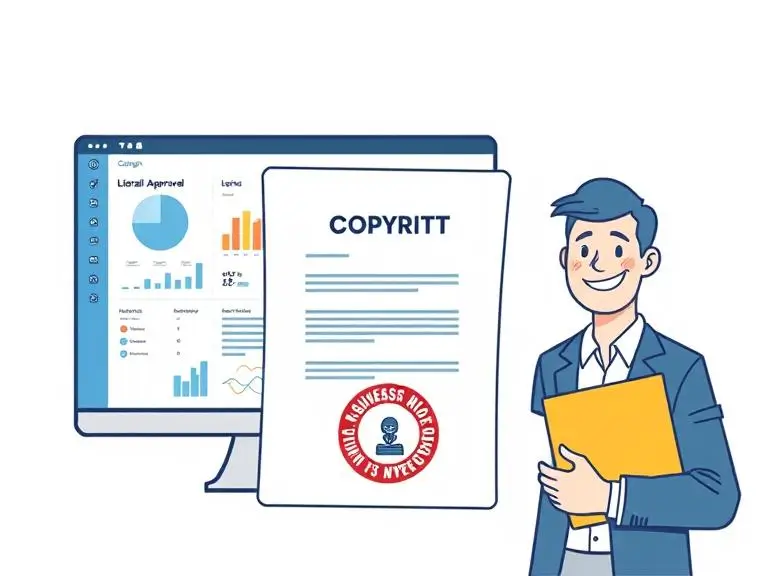
Are AI Voice Generated Contents Copyrightable
This is one of the most frequently asked legal questions—and the answer depends on how the AI voice content was created.
Can You Claim Copyright on AI Voice Output?
Yes, in most cases you can claim copyright on the final audio file, especially if:
You created the text script
You customized the output (tone, speed, pauses, etc.)
You edited or enhanced the final voiceover
The content becomes an original derivative work authored by you, using the AI platform as a tool.
What You Cannot Copyright
You cannot claim ownership over the AI voice itself or the synthetic model (e.g., Zooli.ai’s “Emma” or “Liam” voices).
You also cannot copyright content created automatically without human input, depending on your country’s copyright law.
Why This Matters for Businesses
Having copyright over your voiceover means you can monetize it, distribute it, and protect it legally from misuse.
Collaboration, Pricing, and Accessibility
Whether you’re a solo creator or part of a content production team, accessibility and collaboration play a huge role in choosing the right AI voiceover platform. Leading platforms like Zooli.ai and Murf cater to both individuals and teams through flexible pricing models and productivity features that support creative workflows at scale.
Is Murf AI Free and Do They Offer Monthly Plans
Murf offers both free access and tiered paid plans, making it suitable for beginners and businesses alike. However, serious creators will benefit more from the features unlocked in the paid versions.
Murf AI Pricing Breakdown
| Plan Type | Features | Who It’s For |
|---|---|---|
| Free Plan | Limited voice options, watermarked exports, no commercial license | Testing & basic trial usage |
| Basic Plan | Monthly billing, full voice library, no watermark, commercial use | Solo creators, YouTubers |
| Pro Plan | Voice cloning, faster exports, collaboration tools | Agencies, podcast studios |
| Enterprise | Custom features, dedicated support, team analytics | Large-scale content teams, publishers |
Monthly Subscriptions: Murf allows creators to buy 1-month access without committing to a long-term contract, ideal for short-term projects or testing.
Zooli.ai also follows a similar model, with scalable monthly plans and lifetime access tiers.
SEO Keywords Embedded
Murf AI free plan, monthly subscription voiceover tools, AI voice pricing options, pay-as-you-go voiceover software

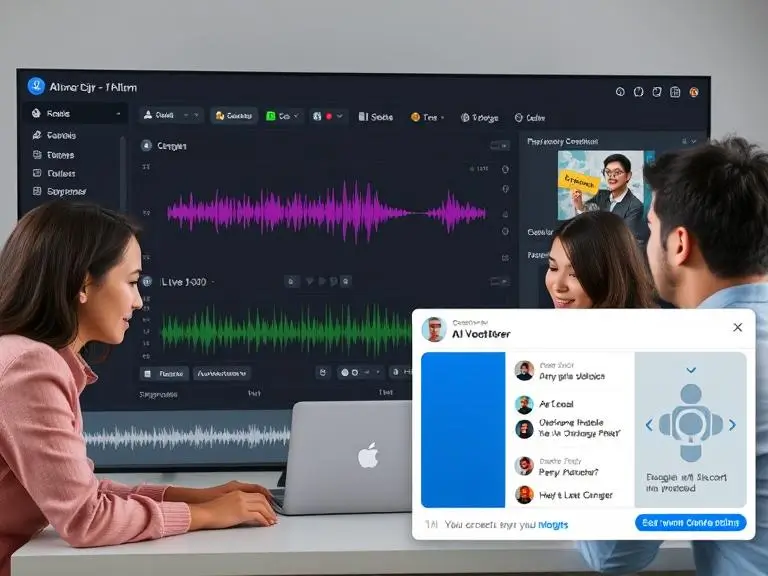
Can Teams Collaborate on Voice Projects
Collaboration is at the core of many professional workflows. Platforms like Zooli.ai and Murf are designed with team functionality, helping businesses manage and streamline voice production tasks across departments.
Team-Friendly Features on AI Voiceover Platforms
Shared Workspaces
Work on the same project in real-time or asynchronously. Team members can view, edit, or manage assets from a centralized dashboard.Commenting & Notes
Leave time-stamped comments on specific audio blocks. This helps improve feedback loops between scriptwriters, editors, and marketers.Role-Based Permissions
Assign roles such as editor, admin, or reviewer—perfect for agencies or remote teams.Project History & Versioning
Easily revert to previous versions or track who made what change.
Zooli.ai stands out with intuitive collaboration tools that let creative teams and clients align without emailing endless drafts back and forth.
Best Use Cases:
Podcast teams working with multiple hosts
YouTube channels with distributed scripting/editing roles
Agencies handling voiceovers for multiple clients
How to Contact the Support Team
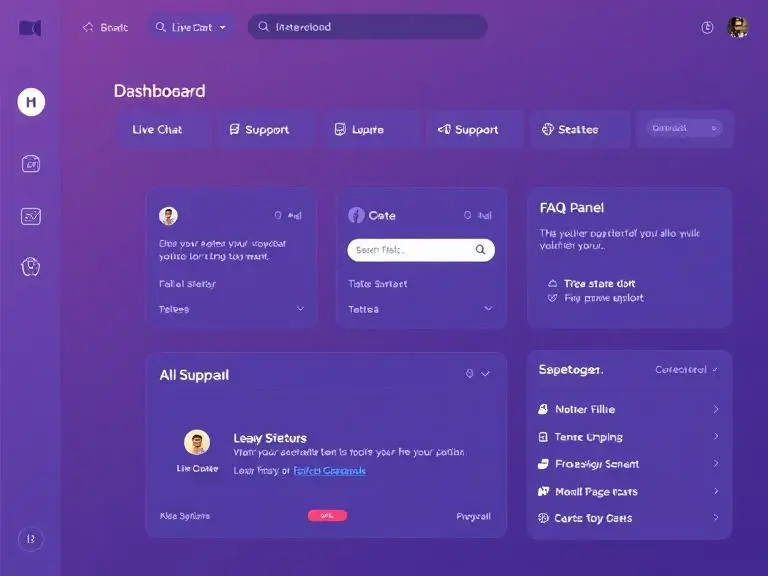
Getting help when needed is essential for productivity, especially if you’re working on client-facing or time-sensitive projects. AI voiceover platforms like Zooli.ai and Murf offer multiple support options to meet user needs.
Standard Support Channels
Live Chat
Available on most platforms during business hours.
Helpful for quick questions about billing, exporting, or tool usage.
Email Support
Used for more technical or account-related issues.
Average response time is 24–48 hours on most platforms.
Help Center & Knowledge Base
Self-service documentation on features, voice customization, export settings, and common issues.
Support Tickets
Enterprise or Pro users often get priority support with ticket tracking and dedicated success managers.
Zooli.ai integrates in-app chat and has a searchable help center for onboarding and troubleshooting.
SEO Focus Keywords Used
AI voice support options, contact Murf AI support, AI voiceover help desk, Zooli.ai customer service
Frequently Asked Questions (FAQs) About AI Voiceover Platforms
Whether you’re new to AI voice technology or considering it for business use, these frequently asked questions offer clear, practical answers to the most searched queries. This section not only builds trust and improves user experience but also helps your page rank for long-tail keywords in featured snippets.
What is an AI voiceover platform?
An AI voiceover platform is a web-based or software tool that uses artificial intelligence and deep learning models to convert written text into realistic spoken audio. These platforms allow users to choose from a variety of voices, accents, and languages—many with natural human-like tone, emotion, and intonation.
Top platforms like Zooli.ai, Murf, and ElevenLabs support multilingual voiceovers, text-to-speech tools, and commercial-use licensing. These platforms have quickly become popular among YouTubers, educators, marketers, and businesses.
How realistic are AI voices compared to human narration?
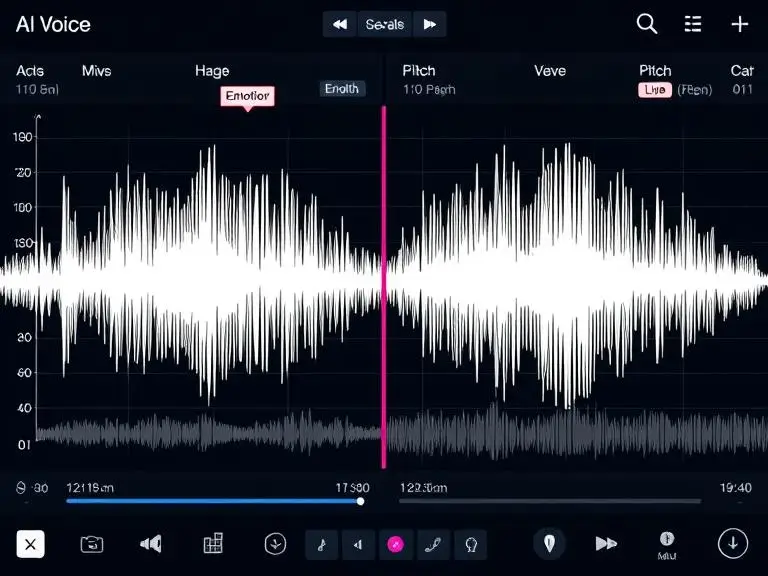
Modern AI voices—especially those built on neural networks and deep learning—can be surprisingly realistic, often indistinguishable from human voices in casual contexts. Features like pitch control, emphasis, breathing effects, and pause durations add to the natural tone.
However, while AI can replicate emotion and inflection to an extent, trained human voice actors may still outperform AI in highly emotional or nuanced scripts.
Can I use AI generated voices for YouTube and monetized content?
Yes, you can use AI voiceovers on YouTube and other monetized platforms, but only if your chosen platform grants commercial usage rights. For example, Zooli.ai and Murf provide licensing for:
YouTube videos
Podcast intros
Ads and promotions
Course narrations
Always check your subscription level—free plans usually do not include commercial rights, while paid plans explicitly allow it.
Can I use my own voice or clone my voice with AI?
Yes. Advanced AI platforms like Zooli.ai and Murf allow users to:
Record their own voice directly within the tool
Upload voice recordings for processing
Clone a voice (voice synthesis) by training the system with samples
This is especially helpful for creators who want to automate content without losing their brand voice.
How long does it take to convert text to speech?
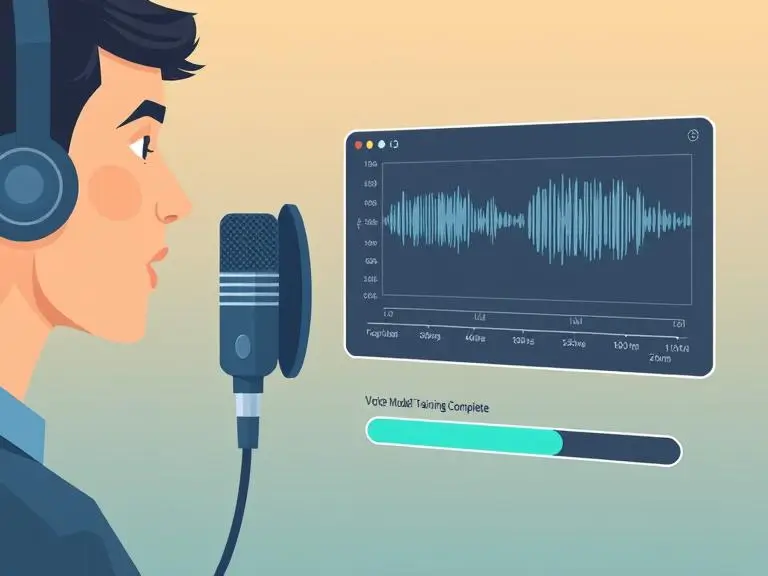
On most AI voiceover platforms, the conversion is near-instant. Once text is entered, and voice plus tone options are selected, the audio is generated within seconds to a minute, depending on length and complexity.
File formats available typically include:
MP3
WAV
OGG
Platforms like Zooli.ai are optimized for fast processing speeds, especially for longer scripts or batch exports.
Are AI voiceovers copyrightable?
Yes—you can copyright the output audio if:
The text/script was created by you
You directed the voice customization
You exported the content legally under your platform license
However, you do not own the AI voice model itself, nor can you resell the voice as a service unless allowed in the platform’s commercial terms.

Can I collaborate with my team using AI voice tools?
Yes. Platforms like Zooli.ai and Murf offer team collaboration features including:
Shared projects
User roles (e.g., editor, admin)
Time-stamped commenting
Version control
This is perfect for agencies, production studios, and YouTube teams working remotely or across different departments.
Is Zooli.ai better than Murf for beginners?
Zooli.ai is known for its user-friendly dashboard, simplified workflow, and quick voice generation process—making it highly suitable for beginners. Murf, while powerful, may require a bit more technical knowledge to utilize advanced features.
If you’re new and need something quick, intuitive, and high-quality, Zooli.ai is a great place to start.
Conclusion
AI voiceover platforms have transformed how creators, businesses, and educators produce engaging audio content—saving both time and budget without compromising on quality. From the intuitive interface of Zooli.ai to the powerful features of platforms like Murf, users now have access to lifelike AI voices in multiple languages, with tools that support everything from commercial use to team collaboration. Whether you’re generating voiceovers for YouTube, eLearning, podcasts, or advertisements, understanding the technology, legal use, pricing, and customization options helps you make smarter, faster decisions. As AI continues to evolve, embracing these voiceover tools positions your brand to stay ahead in a competitive digital landscape.