

Introduction to Anime Voice AI
Anime voice AI technology is transforming the way anime productions are created by allowing creators to generate anime character voices using artificial intelligence. The rise of AI-generated voices in the entertainment industry has sparked a new era in voice acting. This technology has gained traction for its efficiency, cost-effectiveness, and the ability to produce voices that are realistic and closely resemble human voice acting performances.
In the traditional anime industry, voice actors are the cornerstone of creating characters with distinct personalities, often requiring hours of studio time for voice recording. With anime voice AI, the process is streamlined, significantly reducing production time and cost. The AI can replicate the unique characteristics of various voices, making it easier for creators to quickly generate a wide range of voices for different characters without the need for lengthy recording sessions.
The growing popularity of anime voice AI is not only driven by its ability to produce high-quality voices but also by its ability to offer new creative possibilities. Artists and producers can now experiment with voices that may not have been feasible before due to cost constraints or actor availability. With this technology, anime studios can enhance the quality and variety of voices in their productions while ensuring the voices match the desired aesthetic and emotion of the characters.
What is Anime Voice AI?
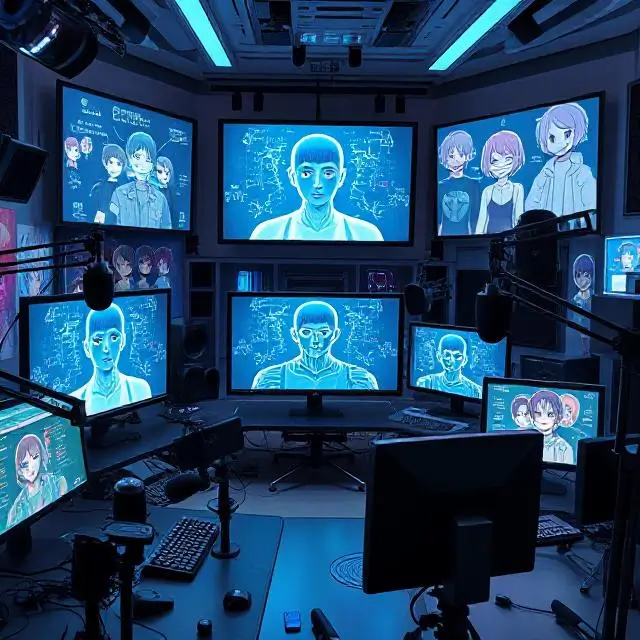
Anime Voice AI refers to the use of artificial intelligence to generate or replicate voices for anime characters. It involves training machine learning models on vast datasets of voice recordings to understand the nuances of human speech patterns, tones, and inflections. Once trained, the AI can generate voice lines for any given anime character by analyzing the text script and producing speech in the character’s voice.
The process begins with the creation of a synthetic voice model. These models are typically trained on hours of recorded audio from real voice actors, allowing the AI to learn the unique qualities of different vocal performances. Once the training is complete, the AI can generate dialogues for anime characters in real-time, providing a rapid and scalable solution for anime studios.
Anime Voice AI is primarily based on deep learning models, including neural networks like WaveNet or Tacotron, which are designed to simulate human speech more naturally. These networks take in written scripts and transform them into realistic voice output by predicting the next sound or word based on context. The result is a voice that is not only intelligible but also expressive and fitting for the character it represents.
One of the most significant advantages of using Anime Voice AI is the ability to create voices in various languages, opening up the potential for global distribution without the need to hire a voice actor for each language version. This is particularly useful for international anime releases, where the AI can quickly provide localized voices without the delays traditionally associated with dubbing and casting.
As the technology continues to improve, the generated voices will become even more indistinguishable from human voices, giving creators the freedom to experiment with different vocal styles, tones, and emotions. AI-generated voices could eventually offer customization options, allowing fans to even create voices for their favorite characters or generate new characters with personalized voices.

How Anime Voice AI is Revolutionizing the Anime Industry
The integration of Anime Voice AI into the anime industry is transforming the way voice acting is approached. By leveraging AI technology, studios can now generate realistic and unique voices for anime characters with greater ease and efficiency. This revolution in voice acting is enabling quicker production timelines, greater creative flexibility, and cost savings, all while maintaining the high-quality voice performances that fans have come to expect from their favorite anime series.
Traditionally, anime voice acting requires a substantial investment in time, as actors must record their lines in a studio, often with multiple takes and adjustments. With AI, the voice acting process is streamlined. AI-generated voices can be produced instantly, reducing the need for multiple recording sessions. This has allowed anime production studios to explore more characters with diverse vocal ranges, all without the need for hiring a large number of voice actors or waiting for studio time. AI voice technology also enables faster localization of anime content, which is vital in reaching global audiences quickly.
As anime content is increasingly produced on a global scale, AI’s role in enhancing voice production has become crucial for studios looking to meet the demands of a fast-paced entertainment industry. By using AI for voice generation, studios can scale their output, reduce overhead costs, and even tackle projects that may have been previously considered unfeasible due to time or budget limitations.
The Role of AI in Anime Voice Generation
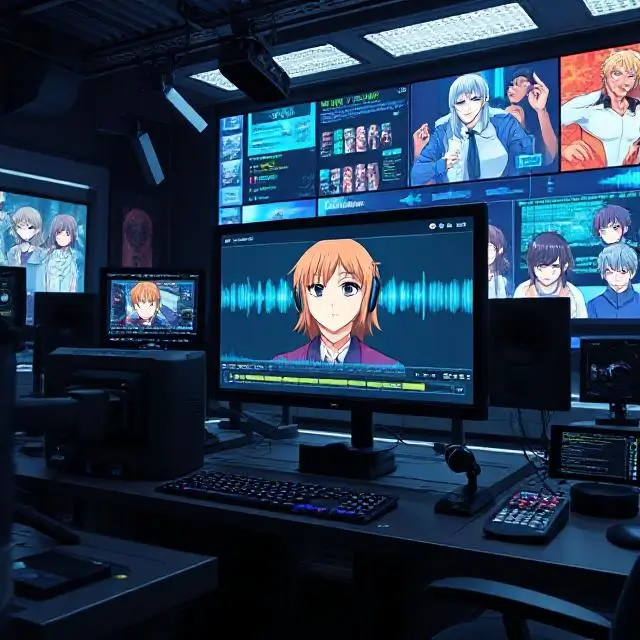
AI’s role in anime voice generation lies in its ability to analyze and replicate human speech patterns, allowing it to produce synthetic voices that sound incredibly realistic and emotionally expressive. Through advanced deep learning algorithms, AI is trained on large datasets of voice recordings from professional anime voice actors. These datasets are used to teach the AI the nuances of tone, pitch, speed, and emotional inflection, making it capable of mimicking human speech with remarkable accuracy.
Once the AI model is trained, it can take a written script and generate voice lines that fit the character’s personality and emotional tone. For example, an AI can simulate the voice of a young female protagonist, a stoic male hero, or even an elderly character with distinct vocal traits. This capability is particularly valuable in anime, where voice acting is integral to character development and storytelling.
One of the key advantages of using AI for voice generation in anime is the ability to modify the voice output in real-time. If a character’s line needs to be adjusted—whether it’s for emotional expression or to match the pacing of the animation—AI can generate an updated version of the voice immediately. This allows the animation and voice acting process to become more fluid and adaptable, with fewer delays caused by the need to re-record voice lines.
Benefits of Using Anime Voice AI for Anime Studios
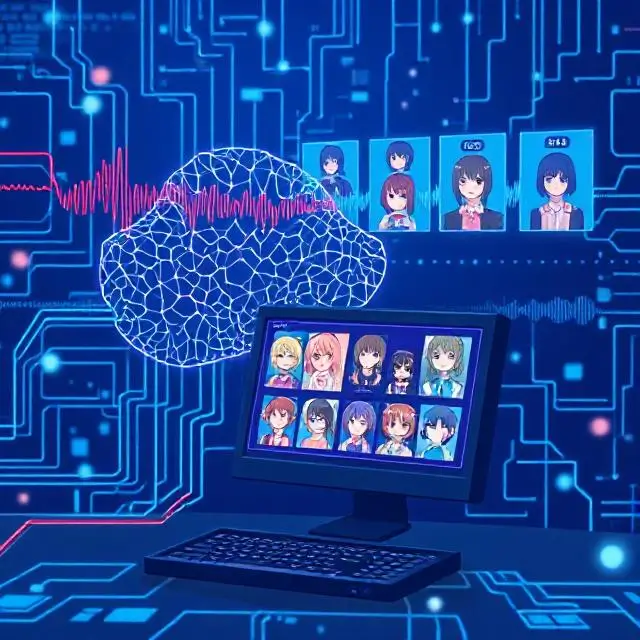
There are numerous benefits of integrating Anime Voice AI into anime production, primarily revolving around cost and time savings. One of the most significant advantages is the reduction in the number of voice actors required for a project. With AI, a single synthetic voice can be used for multiple characters or voice lines, saving both time and resources in casting and recording.
Additionally, Anime Voice AI reduces the amount of studio time needed for voice recording. In traditional anime voice acting, actors typically need multiple takes to achieve the desired line delivery, resulting in hours of recording time. With AI, voice lines can be generated quickly and efficiently, cutting down on the overall production time.
From a financial perspective, AI-generated voices significantly lower costs associated with hiring voice actors, especially when large volumes of voice work are needed. This makes anime production more affordable for both large studios and independent creators. Moreover, AI can also help in localization efforts, as it can quickly produce voiceovers in different languages without the need for hiring a different set of voice actors for each language. This is crucial for anime series that are released internationally.
Another benefit is the scalability that AI provides. Studios can produce large quantities of voice content without additional overhead costs or time constraints. As a result, AI technology helps keep anime production competitive, enabling studios to produce more content at a faster rate while maintaining high-quality voice performances.
Leading Anime Voice AI Technologies and Software
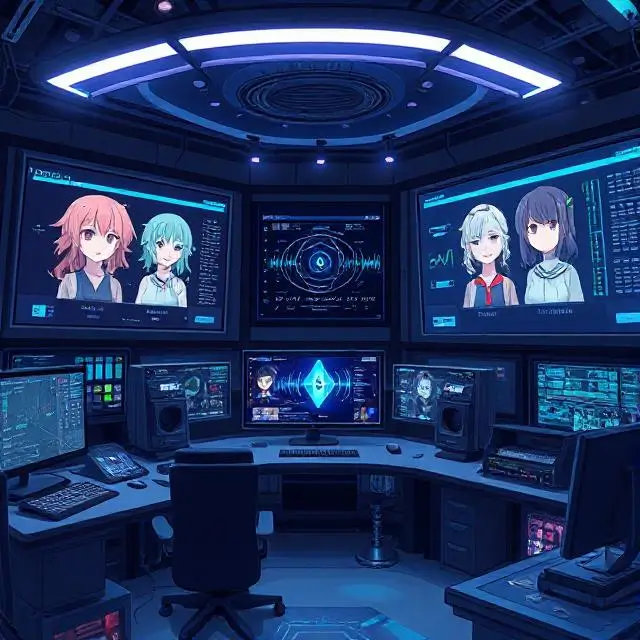
The rise of AI in anime voice generation has brought forth several powerful technologies that enable creators to produce high-quality, realistic voices for their anime characters. These AI systems use advanced machine learning algorithms to replicate the nuanced voices of human voice actors, enhancing both the production process and the quality of anime content. In this section, we’ll explore some of the most prominent AI voice generation tools and technologies that are currently shaping the anime industry.
These platforms use deep learning models like WaveNet, Tacotron, and other neural network-based approaches to simulate human-like speech. By training on vast datasets of recorded voice data from professional anime voice actors, these tools can create voices that closely resemble real human performances, capturing subtle emotional inflections, pitch, and tone. For anime studios, this technology provides a faster, more cost-effective alternative to traditional voice recording, enabling studios to scale production without compromising on voice quality.
As the demand for anime content continues to grow globally, the use of AI in voice generation allows studios to keep pace with production schedules, especially for large-scale projects or international releases that require multiple language versions.
Popular Tools for Creating Anime Voice AI
Several software platforms and technologies have emerged as the leading tools for generating anime character voices using AI. Below are some of the most popular and widely-used AI voice generation tools in the anime industry:
1. VoiceVox
VoiceVox is an AI-powered voice synthesis software that has gained recognition for its ability to generate high-quality anime-style voices. Using a deep neural network, VoiceVox can create voices with unique personalities, making it an ideal tool for anime character generation. The software is especially popular due to its open-source nature, which allows users to modify and adapt it to their needs.
The software has a library of pre-trained voice models that can mimic the speech patterns of various anime characters. It is used not only for anime productions but also for video games and virtual assistants. For anime studios, VoiceVox offers the flexibility to quickly generate multiple voices for different characters, reducing the time spent on voice recording.
2. Resemble AI
Resemble AI is another cutting-edge AI voice generation platform that enables anime creators to generate synthetic voices that sound natural and emotionally expressive. It is known for its ability to create voices that match specific characters’ personalities, from heroic protagonists to villainous antagonists. Resemble AI uses deep learning models to analyze existing voice recordings, creating synthetic voices that can be adjusted to reflect the desired emotional tone and pace.
One of the notable features of Resemble AI is its ability to create multilingual voice models, making it particularly valuable for anime studios looking to produce content in multiple languages. By leveraging Resemble AI, studios can easily localize their anime content without needing to hire voice actors for every language version.
3. iSpeech
iSpeech is an AI-based voice generation software that focuses on creating highly realistic and clear voices, making it suitable for both commercial and entertainment uses. It offers a wide range of voices and languages, which are crucial for anime productions targeting global audiences. iSpeech utilizes sophisticated speech synthesis technology to generate voices with clear articulation, natural prosody, and appropriate emotion for each character.
iSpeech also allows users to modify and customize the voice output, making it a versatile tool for creating different types of characters. With the ability to adjust the tone, pitch, and speed of speech, iSpeech provides flexibility in voice generation, helping to match the specific needs of anime productions.
4. CereProc
CereProc is a leading AI-based text-to-speech technology used in a variety of applications, including anime voice generation. The software is capable of producing natural-sounding voices with distinct emotional expression, making it a powerful tool for anime character creation. CereProc has a collection of pre-trained voice models that can replicate a wide range of vocal characteristics, from youthful voices to more mature tones.
The software’s deep learning models are trained on large voice datasets, enabling it to produce voices that convey the appropriate emotions and attitudes for specific anime characters. For anime studios, CereProc offers an efficient way to generate character voices without the need for extensive recording sessions.
5. Replica Studios
Replica Studios is a popular AI tool that focuses on creating realistic voices for various types of media, including anime. The software uses advanced neural networks to generate highly expressive voices that sound natural and human-like. Replica Studios offers a wide variety of voices that can be customized to match the personalities of anime characters, making it a top choice for anime voice generation.
Replica Studios is often used by indie creators and small studios due to its accessibility and ease of use. It provides users with real-time voice generation, allowing for quick adjustments to match the timing and pacing of animated scenes.
The Future of Anime Voice AI in Voice Acting
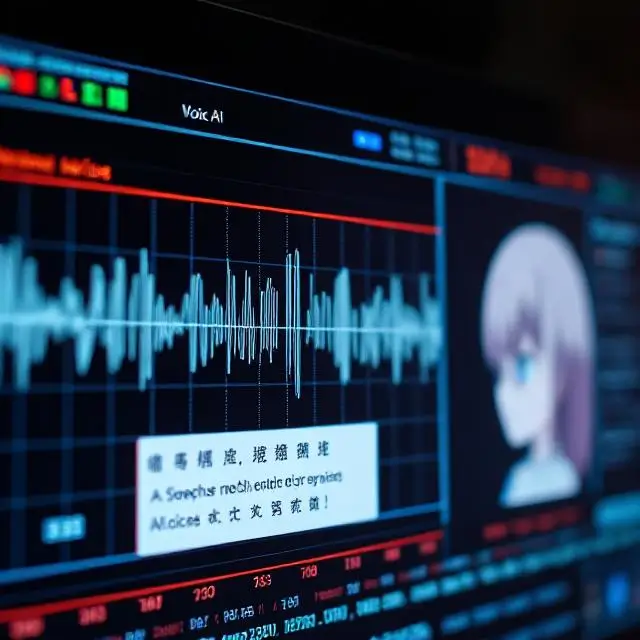
The future of anime voice AI in voice acting holds immense potential, as technology continues to evolve and shape the landscape of the anime industry. As AI voice generation tools become more sophisticated, they have the ability to revolutionize not only how anime is produced but also how the voices of characters are created and modified. While AI voice technology is already making waves in the anime industry by streamlining production, providing cost-effective solutions, and enabling faster localization, its role is poised to expand even further in the coming years.
In the future, we may see AI-generated voices being used not just for minor characters or voiceovers, but for major, leading roles. This could significantly reduce the need for voice actors in some productions, leading to a potential shift in the traditional voice acting industry. However, this shift also presents challenges—questions about authenticity, emotional depth, and the role of human creativity in the voice acting process will need to be addressed as AI continues to advance.
One of the exciting possibilities for the future is the integration of deep learning models that can analyze a character’s development over time and modify the voice accordingly. For example, an AI-generated voice could gradually evolve as the character grows or undergoes emotional changes. Furthermore, AI may be used to offer a more personalized experience for audiences, enabling fans to choose voice options for their favorite characters, or even create entirely new characters with customized voice profiles.
The challenge, however, lies in balancing the efficiency and cost-effectiveness of AI-generated voices with the emotional and artistic value provided by human voice actors. As anime voice AI technology advances, it will be crucial to ensure that the voices produced by AI still retain the authenticity and emotional depth that human actors bring to their roles.
What Does the Future Hold for Anime Voice AI?
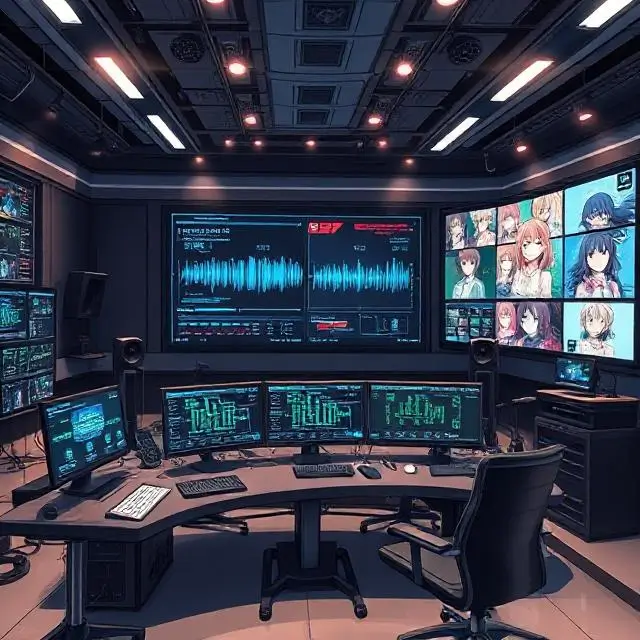
The future of anime voice AI is bright, with several advancements on the horizon that will further enhance the way anime productions are made. One of the major advancements that we can expect to see is the improvement of AI’s ability to generate voices that are indistinguishable from human performances. As deep learning techniques continue to evolve, AI will be able to simulate more complex emotions, tonal shifts, and even unique voice characteristics, allowing for even greater customization in character voice generation.
1. Enhanced Emotional Range
One of the most significant advancements in anime voice AI will likely be in the area of emotional expression. Current AI systems are capable of mimicking basic emotions like happiness, sadness, and anger, but the future could see AI voices that are able to convey a much broader range of nuanced emotions. This will make AI-generated voices even more lifelike and capable of expressing the depth of character development that is essential in storytelling.
2. Real-time Voice Modifications
As AI technology improves, studios may be able to make real-time modifications to character voices. For example, in the midst of recording an anime series, directors could provide live feedback to the AI, asking it to adjust the tone, pace, or emotional inflection of a line. This flexibility would greatly improve the efficiency of production, allowing for quicker revisions and edits without needing to call actors back into the studio.
3. Integration with Augmented Reality (AR) and Virtual Reality (VR)
Another exciting development for the future of anime voice AI is its integration with AR and VR technologies. With the increasing popularity of immersive anime experiences, AI-generated voices could be incorporated into interactive anime content, where viewers can engage with characters in real-time, and even influence the direction of the story. This could open up new possibilities for fan interaction and storytelling, with AI voices adapting dynamically to the choices viewers make.
4. Personalized Anime Voices
AI may also make it possible for fans to personalize their anime experience further. Imagine an AI system that allows users to modify an anime character’s voice to better suit their preferences, whether they want a different tone, accent, or emotional delivery. This could lead to the creation of fan-driven anime content or even entirely new experiences where users create and personalize characters and their voices.
However, as these technologies advance, challenges surrounding the ethical implications of AI voice acting will need to be considered. For instance, questions regarding copyright, the preservation of human voice actors’ rights, and the implications of replacing human talent with AI could become increasingly important.
In conclusion, the future of anime voice AI is poised for significant change, with the potential for more advanced, customizable, and interactive voice generation. However, the industry will need to strike a balance between technological innovation and the artistic contributions of human voice actors to ensure that AI-generated voices complement, rather than replace, the creativity that has long been a hallmark of the anime industry.
Ethical Considerations of Using Anime Voice AI
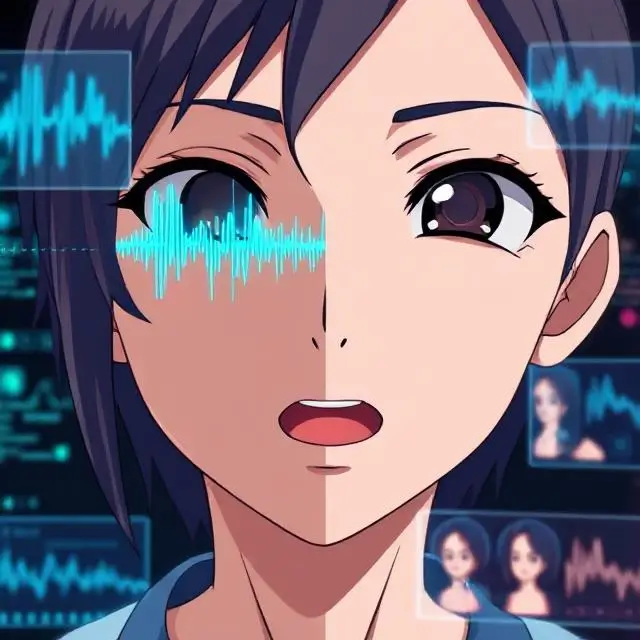
As anime voice AI technology advances, ethical concerns regarding its integration into the industry are becoming increasingly relevant. While AI-generated voices offer numerous benefits, including cost reduction, faster production, and a broader range of voice customization, it also raises serious questions that need to be addressed. The use of AI in anime voice acting poses challenges in areas such as intellectual property rights, the future of human voice actors, and the authenticity of creative expression. These ethical considerations are crucial for ensuring that the use of AI in anime does not negatively impact the industry or exploit the people behind the voices of beloved characters.
One of the primary concerns is the potential displacement of human voice actors. As AI technology becomes more capable, the need for traditional voice actors could diminish, potentially leading to job loss and changes in how the anime industry operates. Additionally, the use of AI to replicate voices without the consent of voice actors raises questions about exploitation and misuse of intellectual property. Without clear ethical guidelines and regulations, there is a risk that AI could be used to undermine the rights of performers and creators.
Another critical ethical issue lies in the authenticity of the character voices. While AI-generated voices can replicate speech patterns and tones, they might lack the emotional depth and nuance that human voice actors bring to their performances. This raises concerns about the authenticity and integrity of the storytelling experience, as fans may feel that AI voices are less genuine or emotionally compelling than their human counterparts.
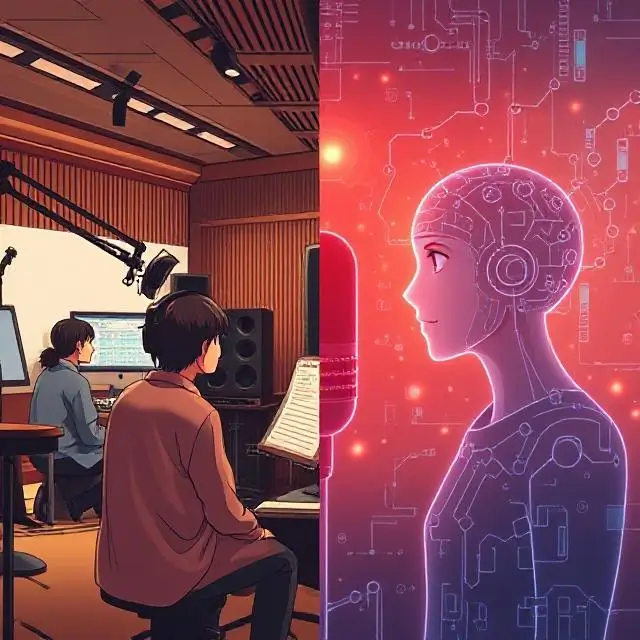
Impacts on Voice Actors and the Anime Industry
The rise of anime voice AI presents both opportunities and challenges for voice actors and the anime industry as a whole. While AI technology can improve production efficiency, it has the potential to displace traditional voice acting jobs, which have long been an integral part of the anime industry. Let’s explore how AI’s growing role impacts both the people who provide voices for anime characters and the industry that relies on them.
1. Job Displacement and the Future of Voice Acting Careers
As AI-generated voices become more sophisticated, they could significantly reduce the demand for human voice actors, especially for minor characters and background voices. Studios may begin to rely on AI to generate voices for a larger portion of the cast, which could make the hiring of voice actors less frequent or even unnecessary for certain productions. This shift could lead to a decline in opportunities for aspiring and established voice actors.
Moreover, many voice actors are concerned about AI technology being used to replicate their voices without permission. This could potentially lead to voice actors losing control over their unique vocal performances and the intellectual property associated with their voices. While some may embrace the technology, others may feel that it undermines the value of their craft and jeopardizes their livelihoods.
2. Changing Industry Dynamics and the Role of Human Creativity
On the other hand, AI-generated voices can still complement human voice actors, particularly in situations where human input is limited. For example, AI could be used for repetitive tasks such as dubbing or creating voices for minor characters, while skilled voice actors continue to portray the main characters and provide emotional depth to the story. This approach would allow the anime industry to save on production costs while still benefiting from the creativity and artistry of voice actors.
However, AI voices lack the emotional spontaneity and personality that human actors naturally inject into their roles. The interaction between a voice actor and their character is often deeply personal, and it is this authenticity that resonates with audiences. Therefore, while AI can serve as a tool for enhancing production, it is unlikely to completely replace the emotional range and depth of human performances.
3. The Ethical Responsibility of Anime Studios
Anime studios face the responsibility of ensuring that AI technologies are used in a way that respects the work of human voice actors. This includes ensuring that voice actors are adequately compensated and that their consent is obtained if their voices are being used as training data for AI models. Additionally, studios must be transparent about how AI-generated voices are being used in productions and ensure that the creative contributions of voice actors are not undervalued or replaced.
FAQ: Ethical Considerations of Using Anime Voice AI
As anime voice AI technology continues to evolve, many viewers, creators, and voice actors alike are raising questions about the ethical implications of this innovation. Here are some of the most frequently asked questions surrounding the use of AI in anime voice acting, along with detailed insights into the ethical considerations.
1. How does anime voice AI work, and what are the ethical concerns surrounding its use?
Anime voice AI utilizes advanced machine learning algorithms to replicate the voices of characters in anime. These AI systems can analyze hours of audio data to learn how to mimic the vocal patterns, tone, and expressions of voice actors. While this technology can enhance production efficiency and cut costs, it raises ethical concerns. One major issue is the potential displacement of human voice actors. As AI-generated voices become more realistic, there is a risk that traditional voice actors may be replaced, leading to job losses and a devaluation of their artistry.
Another concern is intellectual property. Voice actors may not have control over how their voices are used by AI systems. In some cases, their voices can be sampled and used to train AI models without their consent. This highlights the need for clear ethical guidelines and consent agreements to ensure that voice actors are compensated and have control over their work.
2. What impact does AI have on traditional voice acting careers in the anime industry?
The rise of AI-generated voices presents a dual impact on the anime industry and voice actors. On one hand, it could reduce the demand for traditional voice actors, especially for minor characters or repetitive roles, where AI could generate voices efficiently. This could lead to fewer job opportunities for human voice actors, particularly in lower-budget productions or for smaller roles in large-scale anime projects.
On the other hand, AI could be used to complement human voice acting rather than fully replace it. Human voice actors still possess emotional depth, creativity, and the ability to portray complex emotions in ways that AI may struggle to replicate. As such, AI may serve as a tool to reduce the workload on human actors, especially for less intricate voice roles. However, ethical questions arise when AI is used to replace voices entirely, or when human actors’ voices are replicated without compensation or proper consent.
3. Will AI-generated voices ever replace human voice actors in anime?
While AI-generated voices have made significant strides in mimicking human speech, it is unlikely that they will completely replace human voice actors in anime, especially for lead roles. The complexity and emotional depth that human voice actors bring to their performances are still difficult for AI to replicate. Voice actors infuse their roles with unique personalities, tone, and emotional inflections that AI systems are not yet capable of achieving in the same nuanced way.
However, AI could become a valuable tool in the industry, handling tasks such as dubbing for minor characters or background voices, thus allowing human actors to focus on more pivotal roles. This collaboration between AI and human talent could result in an efficient and balanced workflow that benefits both sides, but AI is unlikely to fully replace the artistry of human voice actors in anime anytime soon.
4. How can anime studios ensure ethical use of AI voice technology?
Anime studios need to adopt ethical practices when implementing AI voice technology to ensure that the rights of human voice actors are protected. One key measure is to obtain explicit consent from voice actors before their voices are used to train AI systems. Compensation agreements should also be in place to ensure that voice actors are fairly compensated for the use of their vocal data in AI training.
Studios should be transparent with their audiences about the use of AI-generated voices, particularly when AI is used for significant characters or in prominent scenes. Additionally, studios should encourage a balanced approach where AI supplements human voice acting rather than replacing it entirely, fostering collaboration between technology and traditional talent.
5. What ethical guidelines should be established for the future of anime voice AI?
For anime voice AI to be ethically integrated into the industry, there must be clear and enforceable guidelines. Some potential guidelines include:
Consent and Compensation: Voice actors should be informed and compensated if their voices are used to train AI models. They should also have control over how their vocal data is used.
Transparency: Anime studios should disclose the use of AI in voice acting, especially when AI-generated voices are used for major characters. Fans should be aware when they are hearing an AI-generated voice, not just a human voice actor.
Creative Collaboration: AI should complement, not replace, human voice acting. Studios should strive to use AI for minor roles or technical tasks, allowing voice actors to continue contributing their artistry to the anime industry.
Conclusion
In conclusion, anime voice AI is transforming the anime industry by offering innovative solutions for voice acting, enhancing production efficiency, and reducing costs. While this technology brings numerous benefits, such as quicker turnaround times and accessibility for studios, it also presents ethical challenges regarding the displacement of traditional voice actors and intellectual property concerns. As AI continues to evolve, it is crucial for anime studios to adopt ethical practices, ensuring transparency, consent, and fair compensation for voice actors. The future of anime voice AI holds immense potential, but a balanced approach that values both human artistry and technological advancement will be essential for preserving the soul of anime while embracing the power of artificial intelligence.