

What is an AI Sonnet Generator?
An AI sonnet generator is a tool powered by artificial intelligence (AI) designed to create sonnets—a form of poetry with a specific structure, often consisting of 14 lines, iambic pentameter, and a strict rhyme scheme. AI algorithms are trained on vast amounts of poetry data, enabling them to understand the nuances of rhyme, meter, and themes. This allows the AI to generate sonnets that are not only structurally correct but also rich in language and emotion. AI sonnet generators are revolutionizing the way people approach poetry by combining technology with artistic expression, making it accessible to anyone, whether they are experienced poets or novices.
Understanding AI in Poetry Creation
AI has made significant strides in recent years, and one of the most impressive applications is in the realm of poetry. Traditional poetry writing requires a deep understanding of language, rhythm, and emotional expression. However, an AI sonnet generator uses advanced natural language processing (NLP) algorithms, machine learning, and deep learning models to analyze large datasets of poems. The AI learns the patterns of different poetic forms, including sonnets, and applies these learned patterns to generate new content.
- Natural Language Processing (NLP) allows the AI to understand and process human language. By analyzing millions of poems, AI learns how words, phrases, and lines fit together within the constraints of a sonnet.
- Machine Learning (ML) helps AI refine its ability to generate relevant and engaging sonnets by improving its output through constant exposure to different styles and themes.
- Deep Learning provides AI with the ability to identify complex relationships in the text, enabling it to write more coherent and emotionally resonant sonnets.

Benefits of Using AI for Sonnet Generation
Using an AI sonnet generator offers numerous advantages to writers, educators, and businesses alike. Some of the key benefits include:
- Speed and Efficiency: Writing a sonnet traditionally can take hours, as poets carefully consider word choice, rhythm, and themes. With an AI sonnet generator, this process can be completed in mere seconds, providing instant results that maintain the structure and beauty of a sonnet.
- Accessibility for All Skill Levels: AI-powered tools lower the barrier for entry into poetry. Even individuals with no experience in writing sonnets can generate impressive poems using the AI’s suggestions. It democratizes the art of poetry, making it easier for anyone to express themselves creatively.
- Inspiration for Writers: For those struggling with writer’s block or looking for fresh ideas, an AI sonnet generator can offer inspiration. It provides a starting point or suggests unique phrases and lines that may spark further creativity in the writer.
- Customizable Content: Many AI sonnet generators allow users to adjust parameters such as the theme, tone, or style of the sonnet. This feature provides a personalized touch, giving users the flexibility to create poems that align with their needs—whether they want a romantic sonnet or one that explores a deep philosophical idea.
- Educational Tool: For students and aspiring poets, AI sonnet generators serve as a valuable educational resource. They can experiment with different writing styles, learn about the structure of sonnets, and improve their poetic skills by examining the AI-generated sonnets.
How AI Sonnet Generator Works
An AI sonnet generator functions by utilizing sophisticated machine learning algorithms, natural language processing (NLP), and deep learning techniques to craft structured poetry. By mimicking the processes involved in human creativity, AI can generate sonnets that adhere to the traditional sonnet form while introducing novel poetic ideas. Here’s a breakdown of how it works and how the AI delivers stunning, personalized sonnets.
AI Algorithms and Their Role in Poetry Creation
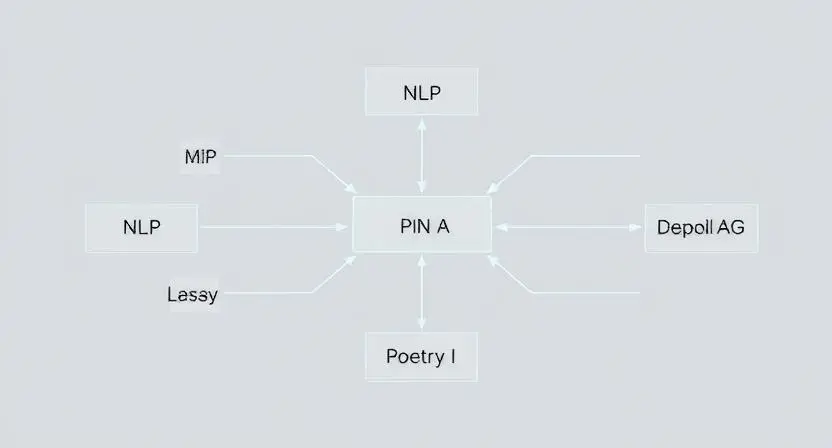
AI sonnet generators are powered by a combination of algorithms that analyze vast datasets of poems and literary texts. These algorithms are designed to understand patterns in language, rhyme schemes, and emotional expressions. The role of these algorithms in poetry creation can be broken down into a few key stages:
Natural Language Processing (NLP): NLP is the backbone of AI’s ability to process and understand language. Through NLP, the AI breaks down text into individual words, phrases, and sentence structures. This helps the AI understand syntax and grammar, ensuring the generated sonnet is linguistically coherent.
Machine Learning (ML): ML algorithms analyze the patterns in sonnets—such as the arrangement of rhyming words, meter, and the specific structure of a 14-line poem. By studying thousands of sonnets, the machine learns the common stylistic and thematic conventions found in traditional sonnets, making the generation process more refined.
Deep Learning: Deep learning algorithms use neural networks to understand the intricate relationships between words and lines in poetry. These networks enable the AI to produce more nuanced and contextually appropriate poetry, with a deeper grasp of metaphor, tone, and emotional resonance.
Generative Adversarial Networks (GANs): Some advanced AI sonnet generators use GANs to produce poetry. GANs consist of two networks—a generator and a discriminator—that work together. The generator creates the sonnet, and the discriminator evaluates it. Over time, the generator improves as it learns to create poems that better align with established poetic conventions.
Step-by-Step Process of AI Sonnet Generation
Creating a sonnet with AI is a seamless process that involves several stages. Here’s how the process typically unfolds:
Input Data and Parameters:
The first step is user interaction. A user may provide a set of guidelines, such as the theme (love, nature, etc.), mood (joyful, melancholy, etc.), or specific words they want included in the sonnet. Alternatively, users can leave the AI to generate a poem based on general prompts or just a keyword like “romantic sonnet” or “nature poem.”Text Analysis and Pattern Recognition:
Once the AI receives the input, it begins the process of analyzing vast amounts of pre-existing poetry in its database. Using NLP and deep learning techniques, the AI identifies patterns in the structure, rhythm, and rhyme schemes commonly used in sonnets. The AI then understands how to apply these patterns to new, unique lines of poetry.Sonnets Structure & Metering:
The AI must follow the traditional sonnet format, which consists of 14 lines, typically divided into an octave and a sestet. It ensures that the poem follows iambic pentameter—the rhythm of 10 syllables per line with alternating unstressed and stressed beats. The AI places particular emphasis on maintaining this rhythm to ensure the sonnet is both structurally sound and sonically pleasant.Rhyme Scheme Generation:
Sonnet generators use rhyme schemes like ABAB CDCD EFEF GG (Shakespearean sonnet). The AI applies this scheme, ensuring that the end words of each line rhyme according to the specific pattern. This is a critical aspect of the AI’s role, as rhyme is a defining feature of sonnets.Refinement and Output:
Once the AI has generated the initial sonnet, it refines the poem by re-evaluating its coherence, tone, and emotional weight. This ensures that the poem reads smoothly and conveys the intended meaning. After the refinement, the sonnet is delivered as output, ready for the user to enjoy, save, or modify.Post-Generation Editing:
Many AI sonnet generators offer editing tools, where users can tweak the poem’s wording or structure to match their style or needs. This feature adds an extra layer of customization and allows users to personalize the poem further.
Features of an AI Sonnet Generator
An AI sonnet generator offers a range of advanced features that make it an invaluable tool for poets, writers, and educators. Whether you’re looking to generate a sonnet quickly, customize your poem’s style, or gain inspiration, AI sonnet generators provide a seamless and enriching experience. Below, we’ll explore the standout features of these tools and how they contribute to their widespread use and popularity.
Fast and Efficient Sonnet Creation
One of the most significant advantages of an AI sonnet generator is its ability to produce sonnets in a fraction of the time it would take a human poet. Traditional sonnet writing involves meticulous planning, careful word selection, and an understanding of meter and rhyme. With an AI sonnet generator, this entire process is automated, allowing users to generate a sonnet in just a few seconds.
The speed and efficiency of AI-powered tools mean that you can quickly create poems for various purposes, whether you’re working on a project, creating content for social media, or simply exploring your creative side. Users no longer need to spend hours crafting the perfect sonnet, as the AI can produce high-quality results almost instantly. This feature is especially helpful for busy individuals who need a fast yet impactful sonnet.
User-Friendly and Interactive Design
AI sonnet generators are designed with user experience in mind. Most tools come with an intuitive, user-friendly interface that requires no technical expertise to operate. Whether you’re a beginner or an experienced poet, you can easily navigate the tool and create sonnets without facing any steep learning curves.
The interactive design allows users to customize and adjust the input based on personal preferences. Some tools even offer options for real-time suggestions, enabling users to tweak their sonnets as they go. The simplicity of the design ensures that even those with little or no experience in poetry can still produce high-quality results.
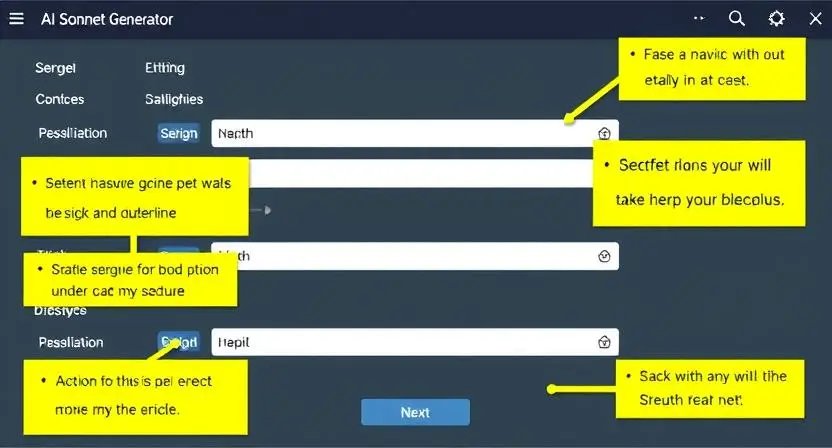
Customizable Sonnet Styles and Themes
Another key feature of AI sonnet generators is their ability to cater to different styles and themes. Sonnet writing has a rich tradition, with many variations in form and subject matter. AI tools are often equipped with customizable options that allow users to generate sonnets based on specific themes (such as love, nature, or loss) and stylistic preferences.
Some advanced tools even offer different types of sonnets, including Shakespearean, Petrarchan, and Spenserian, each with distinct rhyme schemes and structures. This customization ensures that the generated sonnets are not just generic but tailored to fit the user’s creative vision. Whether you want a light-hearted romantic sonnet or a deep, philosophical one, the AI can adjust accordingly.
Free Access to Basic Features
Many AI sonnet generators offer free access to basic features, making them accessible to a wide range of users, from students to professional writers. These free versions typically provide essential tools for generating sonnets, such as the ability to select a theme, input keywords, and generate a basic sonnet.
This accessibility is crucial for anyone who may not have the budget for paid poetry tools or those who are just exploring the possibilities of AI in poetry. While advanced features may require a subscription or one-time purchase, the free access to fundamental functions ensures that anyone can begin using the generator with no upfront costs.
Versatility in Usage for Different Needs
AI sonnet generators are highly versatile, offering applications for various purposes and audiences. Here are some ways different people can use these tools:
Educational Use: Teachers and students can use the AI tool to learn about the structure and rhythm of sonnets, explore different poetic forms, and experiment with their writing. It’s an excellent way to introduce students to the beauty of poetry without overwhelming them with the technical details.
Personal Use: Individuals who enjoy creative writing or are looking for inspiration can use AI to generate poems quickly. It’s a fantastic way to spark new ideas or develop a poem that expresses personal feelings or experiences.
Commercial Use: Marketers, bloggers, and content creators can use the AI sonnet generator to create unique, engaging content for websites, social media, or advertising campaigns. AI-generated poems can also be used in greeting cards, advertisements, or as part of a larger creative marketing strategy.
The tool’s versatility makes it suitable for a wide range of creative endeavors, whether personal, educational, or commercial.
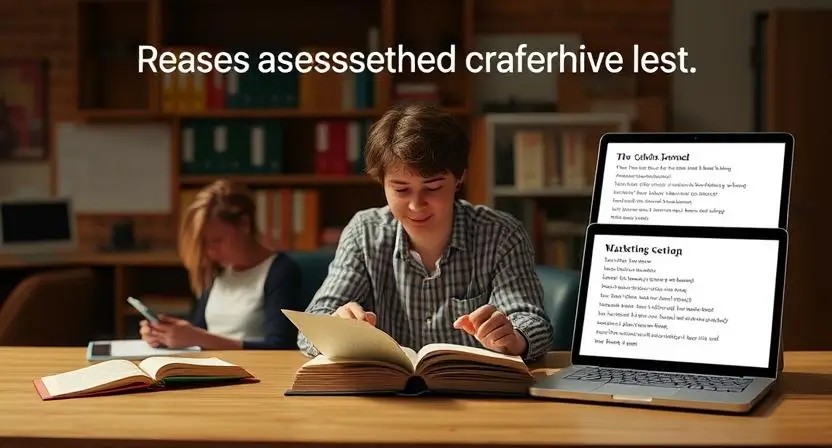
How to Use an AI Sonnet Generator
Using an AI sonnet generator is a straightforward and user-friendly process, making it accessible to everyone from beginners to seasoned poets. Whether you want to quickly generate a sonnet for fun, inspiration, or a project, these tools are designed to make the process seamless and enjoyable. In this section, we will guide you through the step-by-step process for beginners and provide some valuable tips to maximize the potential of AI-powered sonnet creation.
Step-by-Step Guide for Beginners
If you’re new to using an AI sonnet generator, fear not. The process is intuitive and user-friendly. Here’s a simple step-by-step guide to help you get started:
Choose an AI Sonnet Generator Tool
The first step is selecting an AI sonnet generator tool. There are several options available online, and many of them offer free versions with basic functionality. Choose one based on user reviews, features, and ease of use.Set Up an Account (if needed)
Some AI tools may require you to create a free account before you can start generating sonnets. Follow the sign-up instructions provided. Most platforms offer easy registration via email or social media logins.Enter Your Poem’s Theme or Keywords
The AI will typically prompt you to provide a theme or a few keywords for your sonnet. This could be a broad idea like “love,” “nature,” or “friendship,” or a more specific keyword such as “moonlight” or “romance.” The more detailed your input, the more personalized your sonnet will be.Select Your Sonnet Style (Optional)
Many AI tools offer multiple sonnet styles such as Shakespearean, Petrarchan, or Spenserian. Choose the style you prefer, or leave it to the AI to pick the most suitable format.Generate Your Sonnet
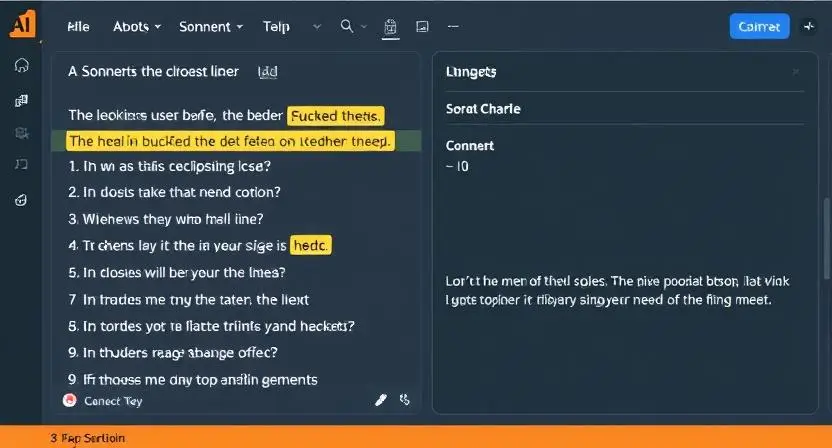
After entering your input, click the “Generate” button. Within seconds, the AI will process your request and generate a sonnet based on your specified theme and style.Review and Edit Your Sonnet
Once the sonnet is generated, read through the poem to see if it matches your expectations. Most AI sonnet generators offer basic editing features, allowing you to tweak specific words, lines, or stanzas to personalize the poem further.Save and Share Your Sonnet
Once you’re satisfied with the result, save your sonnet or copy it to your clipboard. You can use it for personal purposes, publish it, or share it with others.
Tips for Making the Most of the AI Tool
To truly maximize the potential of an AI sonnet generator, here are some expert tips to help you get the best results:
Be Specific with Your Input
While you can generate a sonnet with just a keyword like “love,” being more specific will yield better results. For instance, instead of just entering “love,” try “unrequited love” or “romantic love under the moonlight.” The more detail you provide, the more personalized and impactful your poem will be.Experiment with Themes and Styles
Don’t hesitate to explore different themes and styles. You can generate a classic love poem or experiment with more unique or niche topics. You can also try various sonnet forms (e.g., Shakespearean vs. Petrarchan) to see how the structure impacts the tone and flow of the poem.Utilize Advanced Features (If Available)
Many advanced AI sonnet generators offer features like the ability to fine-tune the meter (iambic pentameter), adjust rhyme schemes, or select emotional tones. If these features are available, don’t hesitate to experiment with them to create a sonnet that resonates with your vision.Refine the Generated Sonnet
While AI-generated sonnets are often impressive, they may not always be perfect. Use the editing features to adjust the language, flow, or rhyme of the poem. Feel free to add your personal touch by modifying lines or adding your own flair to make the poem uniquely yours.Save Your Work Regularly
AI sonnet generators often provide a session-based system, meaning your poem could be lost if you navigate away from the page. Save your sonnet regularly as you work on it to avoid losing any progress.Share Your Creations
Don’t forget to share your AI-generated sonnet with friends, on social media, or even use it in creative writing projects. AI-generated poetry can be a fantastic source of inspiration or a conversation starter for fellow writers and poets.
Applications of AI Sonnet Generator
An AI sonnet generator is more than just a creative tool for writers. Its applications extend to various fields, including education, commercial content creation, and personal use. The versatility of AI in generating sonnets has led to its adoption across multiple sectors. Below, we will explore the different applications of AI-powered sonnet generators and how they serve various needs and audiences.
Educational Use in Learning Poetry
The use of an AI sonnet generator in education is transforming the way students learn about poetry, language, and creative expression. By providing an interactive and hands-on experience with sonnet creation, AI tools foster a deeper understanding of the art form. Here are some specific ways AI sonnet generators are being applied in education:
Teaching the Structure of Sonnets
Sonnet writing requires a deep understanding of structure, rhyme, meter, and rhythm. With an AI sonnet generator, students can quickly create a sonnet, experimenting with different forms like Shakespearean or Petrarchan. This hands-on approach helps them understand these complex concepts in a more engaging and accessible way.Enhancing Creativity
The AI sonnet generator encourages students to explore their creativity by generating sonnets on different themes or topics. It can also prompt them to write based on keywords or themes that they might not have considered before. This process expands their imaginative boundaries and helps build confidence in their writing abilities.Instant Feedback and Improvement
Teachers can use AI-generated sonnets as a teaching tool to provide immediate feedback to students. By reviewing the generated poem, educators can discuss the strengths and areas for improvement in rhyme, meter, and content. This allows for more personalized learning and development.Poetry Analysis and Study
AI-generated sonnets can also serve as examples for analyzing poetry. Students can dissect the AI-generated sonnets to explore various poetic devices such as metaphors, similes, alliteration, and enjambment. This practice strengthens their understanding of poetic techniques and their ability to analyze poetry critically.

Commercial Applications for Marketing and Content
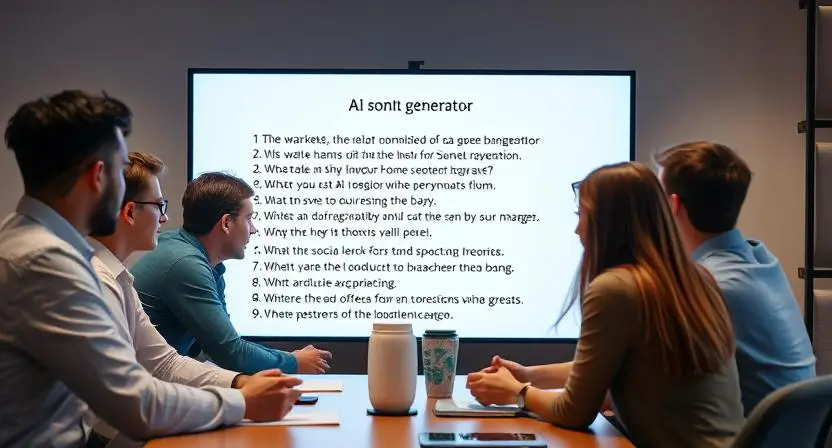
The AI sonnet generator is also widely used in the commercial sector, particularly for content creation and marketing purposes. Companies and marketers are increasingly leveraging AI-generated sonnets to create unique, engaging, and emotional content for their campaigns. Here are some commercial applications for AI-generated sonnets:
Engaging Content for Social Media
AI-generated sonnets can add a creative and emotional touch to social media content. Brands use AI to craft poems that resonate with their target audience, whether it’s for a product launch, an event promotion, or a seasonal campaign. A well-written sonnet can capture the essence of a brand and evoke strong emotional responses from followers.Branding and Advertising
Using AI-generated sonnets in advertisements is a unique way to stand out from the competition. Brands can create memorable poetic advertisements that convey their message in a subtle yet powerful way. By weaving a sonnet into the narrative, companies can connect with their audience on a deeper emotional level.Creative Marketing Campaigns
AI-generated sonnets can be used to create special content for blog posts, websites, or promotional materials. For instance, businesses in the arts, hospitality, and fashion industries often employ sonnets in their campaigns to promote elegance, beauty, and creativity. It serves as a great way to generate fresh and unique content quickly.Personalized Customer Interactions
Some companies are using AI to create personalized sonnets for customer engagement. By integrating customer data or feedback, companies can generate custom sonnets for individual clients or customers, creating an unexpected yet delightful experience.
Personal Use for Creative Writing
On a personal level, an AI sonnet generator provides a creative outlet for individuals who are passionate about poetry or those looking to explore new forms of writing. The AI can assist in writing sonnets for personal projects, gifts, or simply for self-expression. Here are some ways people use AI-generated sonnets for personal creative writing:
Writing Gifts and Greetings
Many people use AI-generated sonnets to create personalized poetry for special occasions like birthdays, anniversaries, weddings, or other celebrations. Instead of writing a traditional card, a custom sonnet can convey deep emotions and personal sentiments in a unique and meaningful way.Exploring Creative Ideas
For writers looking to explore different themes or poetic forms, an AI sonnet generator serves as a creative brainstorming tool. Whether you want to explore themes like love, loss, nature, or fantasy, AI tools can provide instant inspiration. This allows writers to explore various directions in their writing process and overcome creative blocks.Journal and Self-Reflection
AI-generated sonnets can be used for personal reflection and journaling. Some people use AI tools to reflect on their emotions and experiences by generating poems about their current state of mind or life events. This practice can serve as a therapeutic outlet for self-expression and growth.Learning and Practice
Aspiring poets or hobbyists use AI sonnet generators to practice writing sonnets. By adjusting themes, rhyme schemes, and structures, individuals can experiment with different styles and refine their poetry skills. It’s a valuable tool for those who want to hone their craft without the pressure of starting from scratch.

FAQ – AI Sonnet Generator
As AI continues to influence various sectors, the use of an AI sonnet generator has sparked numerous questions, particularly regarding its functionality, benefits, and applications. In this section, we address the most commonly asked questions to provide a deeper understanding of how AI sonnet generators work and their potential uses.
What is an AI Sonnet Generator?
An AI sonnet generator is a tool that uses artificial intelligence algorithms to create sonnets—a specific form of poetry consisting of 14 lines, usually written in iambic pentameter. AI sonnet generators utilize natural language processing (NLP) techniques to analyze existing sonnets, understand poetic structures, and generate new poems based on user input. The generator can create sonnets on various themes, including love, nature, and personal experiences, by following traditional sonnet forms or experimenting with modern variations.
AI sonnet generators have become widely used by poets, writers, students, and marketers due to their ability to quickly generate creative and unique poetry with minimal effort.
How Accurate Are AI-Generated Sonnets?
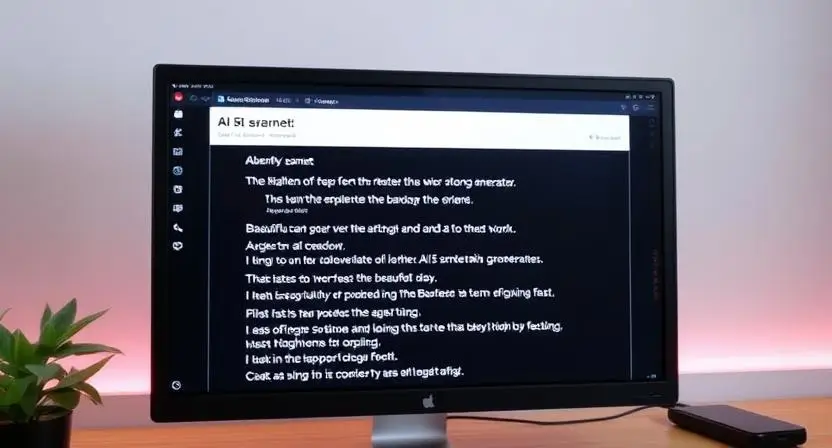
AI-generated sonnets are generally quite accurate in terms of structure and rhyme scheme, as they are designed to follow the traditional rules of sonnet writing. However, the quality and depth of the generated content depend on the algorithm and the input given to the AI. The more data the AI has been trained on, the more likely it will produce high-quality, coherent poetry.
While AI can effectively generate sonnets that adhere to formal structures, it may sometimes struggle with capturing complex human emotions or nuanced meanings in its poems. Despite these occasional limitations, AI-generated sonnets are an excellent starting point for writers and can serve as a useful tool for inspiration and creativity.
Can I Customize My Sonnet with an AI Generator?
Yes, most AI sonnet generators offer a level of customization that allows users to tailor the sonnet to their preferences. You can often choose the following options:
- Theme or Subject: Users can provide a theme or subject matter, such as love, nature, or mystery. The AI will then generate a sonnet based on the chosen topic.
- Tone and Style: Some tools allow you to select the tone of the sonnet, whether you want it to be romantic, melancholic, inspirational, or light-hearted.
- Rhyme Scheme: Advanced AI sonnet generators let you specify the rhyme scheme (Shakespearean, Petrarchan, etc.), providing additional flexibility to match specific poetic preferences.
By entering specific details, the AI tailors the generated sonnet to reflect the style, tone, and content you envision, making the tool versatile for various applications.
How Do AI Sonnet Generators Benefit Writers?
AI sonnet generators offer several benefits to writers, including:
Time-Saving: Writing a sonnet traditionally can be time-consuming. AI tools speed up the creative process by generating well-structured sonnets in just a few minutes.
Inspiration and Idea Generation: Writers often experience creative blocks, but AI tools help break through these barriers by providing fresh ideas and themes. Writers can use AI-generated sonnets as a foundation to build upon or simply as inspiration for further creative exploration.
Learning Tool: Aspiring poets can use AI sonnet generators to learn the art of sonnet writing. By observing the generated structure and rhyme schemes, they can better understand the rules of sonnet composition.
Refining Craft: Even experienced writers use AI tools to experiment with different styles and structures, refining their craft. AI generators allow writers to focus on the creative aspects of poetry while the AI takes care of the technicalities.
Are AI-Generated Sonnets Free to Use?
Many AI sonnet generators are free to use, though some platforms offer premium features or advanced tools for a fee. The free versions often provide basic functionality, allowing users to create simple sonnets based on input themes or keywords. Premium versions may include additional features, such as:
- Advanced customization options
- High-quality, polished sonnets with emotional depth
- No word or usage limits
- Access to a broader range of sonnet styles and poetic devices
Users can choose between free and paid versions based on their needs and how much customization or quality they require.

Can AI Create Unique and Original Sonnets?
Yes, AI can generate unique and original sonnets based on the input it receives. Since AI sonnet generators analyze vast amounts of poetry data to identify patterns and structures, the poems they create are typically unique combinations of those patterns. However, AI-generated poems may occasionally resemble existing works due to the data the algorithm has been trained on.
While AI sonnets are original in the sense that they are not direct copies of existing poems, they can still be considered derivative, as they draw upon pre-existing poetic styles. Writers and creators should review AI-generated sonnets for originality, especially if using them in commercial contexts.
Conclusion:
In conclusion, an AI sonnet generator is a remarkable tool that brings the timeless art of sonnet writing into the modern age. With its ability to create structured, original, and customizable poems in a fraction of the time it would take to write manually, it serves as a valuable resource for poets, writers, educators, and businesses alike. Whether you’re seeking inspiration, learning the craft of poetry, or looking to add creative flair to your content, an AI sonnet generator offers endless possibilities. By understanding its features, how it works, and the wide array of applications it supports, you can unlock the full potential of this innovative tool and enrich your creative endeavors.