

What is an AI Article Writing Tool and How Does It Work?
In today’s fast-paced digital world, content creation needs to be both quick and high-quality. This is where an AI Article Writing Tool becomes essential. These tools use artificial intelligence, machine learning, and natural language processing (NLP) to create human-like written content based on user input or brief instructions. Whether you need blog posts, marketing content, or website copy, AI writing tools help you generate relevant, optimized, and readable content in minutes.
AI article writers are not just time-saving; they’re revolutionizing the writing process by helping individuals and businesses scale content output without compromising on consistency. Powered by large language models, such tools understand tone, structure, and keyword usage—essential elements for ranking on search engines like Google.

Understanding AI-Powered Content Generation
At the core of any AI article writing tool is a language model trained on massive datasets from books, blogs, websites, and articles. These models, such as OpenAI’s GPT architecture or custom-trained engines, analyze the structure of human language to generate content that feels natural and informative.
Here’s how it works:
You provide a topic, keywords, or prompt.
The AI predicts and writes relevant sentences using NLP algorithms.
You receive a complete article draft in seconds.
AI tools are context-aware, meaning they adjust writing tone, structure, and length based on your input. This makes them ideal for scaling blog content, producing product descriptions, or even brainstorming creative ideas.
Benefits of Using AI for Writing Articles
Using an AI article writing tool offers a variety of benefits for individuals, agencies, and brands:
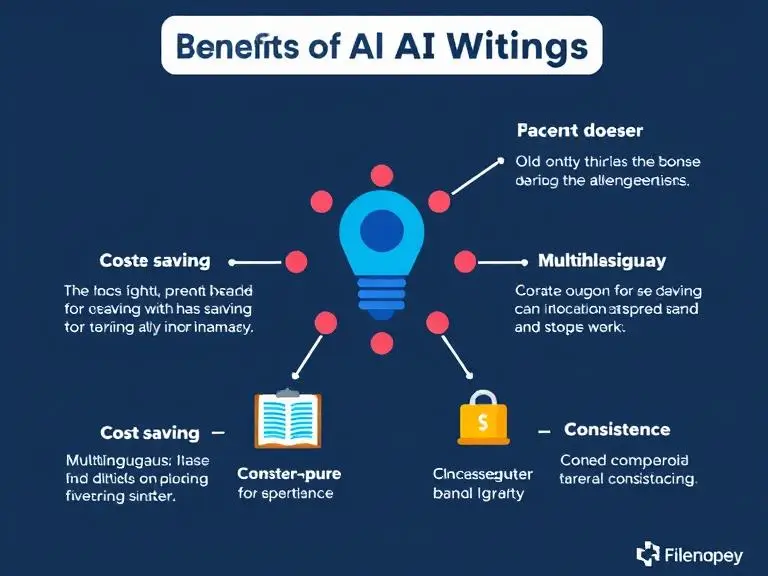
1. Speed and Efficiency
AI can produce high-quality long-form content in minutes. This drastically reduces turnaround time for blog posts, press releases, and newsletters.
2. SEO Optimization
Most advanced AI tools incorporate SEO guidelines, like keyword density, readability, meta descriptions, and heading structure, ensuring your content aligns with search engine algorithms.
3. Cost-Effective Content Production
Hiring writers can be expensive, especially for ongoing content needs. AI tools offer a one-time or subscription-based cost that’s much lower than outsourcing.
4. Consistent Tone and Voice
AI maintains brand tone and voice across articles, ensuring uniformity in messaging—crucial for brand recognition.
5. Multilingual Support
AI writing tools support content creation in multiple languages, enabling global reach and localization without the need for translators.
Who Should Use AI Article Writing Tools?
AI article writing tools cater to a broad range of users across different industries:
Bloggers & Content Creators
For regular blog posts, listicles, and SEO-rich content, AI helps overcome writer’s block and improves consistency.Digital Marketing Agencies
Agencies managing multiple clients can use AI to scale up content production, ensuring faster delivery and better ROI.E-commerce Store Owners
AI tools can quickly generate compelling product descriptions, reviews, and landing page content optimized for conversion.Freelance Writers & Copywriters
AI acts as a collaborative assistant—helping generate outlines, introductions, or even full drafts to save time.Students and Researchers
AI helps structure articles, research summaries, or essay drafts, although human editing is crucial to ensure accuracy and academic standards.
Top AI Article Writing Tools in 2025
Choosing the right AI article writing tool in 2025 is key to producing consistent, high-quality, and SEO-optimized content. With so many options on the market, selecting the right tool depends on your needs—whether it’s bulk content creation, brand tone maintenance, or on-page SEO integration. Below is a detailed look at the top-performing tools, starting with the best-in-class: Zooli.ai.

Zooli.ai – Smart, Fast, and SEO-Friendly Content
Zooli.ai is quickly emerging as a leading AI article writing tool in 2025. Known for its speed, simplicity, and built-in SEO intelligence, it’s built for modern creators who want Google-ready articles without the manual work.
Key Features:
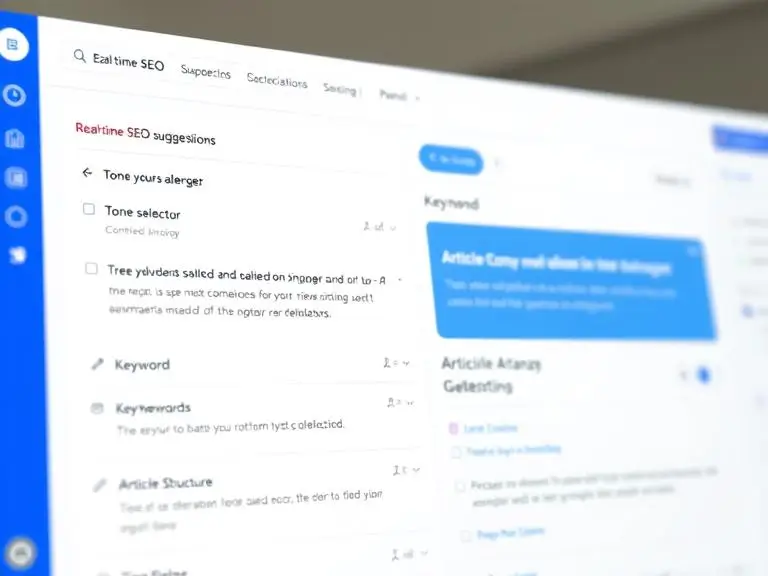
Real-time keyword suggestions and placement
AI SEO score with optimization tips
Tone control and topic-specific content
Long-form blog writing with customizable outlines
Native plagiarism checker
Why Zooli.ai is #1:
Zooli.ai is designed with SEO-first architecture. Its content output matches Google’s E-E-A-T (Experience, Expertise, Authoritativeness, and Trustworthiness) criteria, increasing the chances of ranking on the first page. It also supports one-click export to WordPress, streamlining the publishing process.
Jasper – Versatile AI for Content Marketing
Jasper (formerly Jarvis) has become a favorite for marketing professionals and large content teams. It offers advanced templates for everything from blog posts and landing pages to ads and product descriptions.
Key Features:
50+ content templates
SEO integration via Surfer SEO plugin
Boss Mode for long-form writing
Multilingual support
Brand voice customization
Use Case:
Perfect for marketing teams looking for versatile and brand-specific content. Jasper also offers team collaboration features, making it ideal for agencies.
Copy.ai – User-Friendly Tool for Quick Drafts
Copy.ai stands out for its intuitive interface and ease of use. It’s ideal for users who need to generate quick content snippets, outlines, or blog post starters.
Key Features:
Simple UI with guided workflows
Headline, email, and social media tools
Pre-built tone and style settings
90+ language support
Use Case:
Great for non-technical users, solopreneurs, and small business owners who need fast content without deep customization.
Writesonic – Best for Bloggers and Marketers
Writesonic is designed for those who need long-form content that is ready for publication. It’s one of the few tools that lets you custom-train your own AI model for specific writing styles.
Key Features:
Article writer 5.0 with factual accuracy
AI chatbot for topic research
Integration with SEMrush for keyword optimization
Long-form and landing page support
Use Case:
Ideal for bloggers and SEO professionals aiming to write data-backed, detailed blog posts optimized for ranking.

Rytr – Affordable Option for Short-Form Writing
If you’re on a budget but still want reliable AI writing capabilities, Rytr is the best choice. It’s lightweight but surprisingly effective for short-form content like emails, social posts, and product descriptions.
Key Features:
Low-cost subscription plans
Built-in plagiarism checker
30+ use-case templates
Chrome extension for in-browser writing
Use Case:
Perfect for startups, students, or small e-commerce stores needing quick, clean copy without breaking the bank.
Key Features to Look for in an AI Article Writing Tool
Not all AI article writing tools are created equal. While many can generate readable content, the ones that rank well on Google and truly help businesses grow include several essential features. Whether you’re a blogger, digital agency, or eCommerce brand, choosing an AI writing tool with the right feature set can significantly impact your content quality, SEO performance, and user engagement.
Below are the must-have features to look for when selecting the best AI article writing tool.
SEO Optimization Capabilities
If your goal is to rank high on search engines, then SEO features should be non-negotiable. A good AI article writing tool will include:
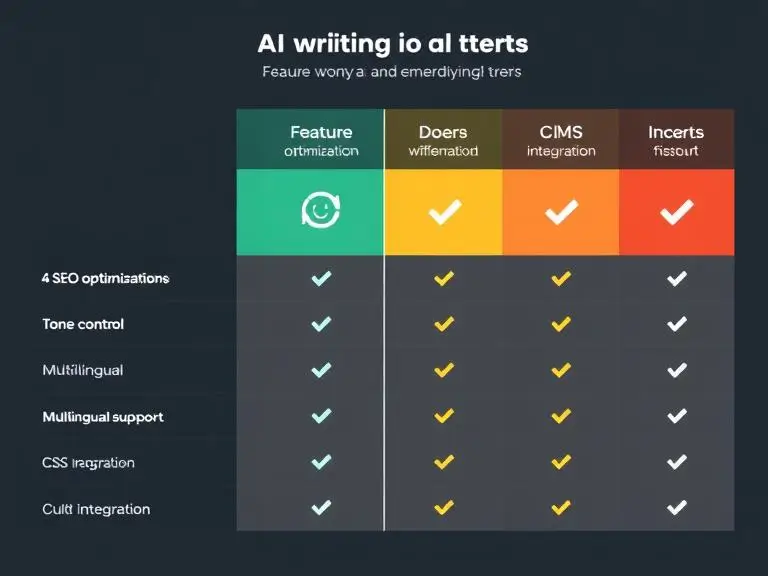
Real-time keyword suggestions
Tools like Zooli.ai and Jasper allow you to input focus keywords and suggest LSI (latent semantic indexing) terms, improving topical relevance.SEO score or optimization grading
These tools give live feedback on your article’s readability, keyword density, heading structure, and meta data, ensuring alignment with Google’s ranking factors.Metadata generation
Automatic generation of SEO titles, meta descriptions, and alt text for images help your article rank and appear more attractive in search snippets.Internal linking suggestions
Some tools offer smart internal linking to boost on-site SEO and improve user engagement metrics.

Content Tone and Style Flexibility
The best AI article writing tools give you control over tone, voice, and style, ensuring your content matches your brand identity.
Tone settings (e.g., professional, conversational, persuasive)
Whether you’re writing for a corporate website or a casual blog, tone adaptability is key to connecting with your audience.Custom brand voice integration
Tools like Jasper and Zooli.ai let you teach the AI how to write in your brand’s unique voice—ideal for maintaining consistency across channels.Formatting controls
These include the ability to apply proper heading tags (H2, H3), bullet points, block quotes, and CTAs—all formatted for web readability.

Multilingual and Long-Form Support
In 2025, global reach and in-depth content are both essential. A reliable AI writing tool should support:
Multiple languages
Look for tools offering 20+ language support so you can localize content and target global audiences effortlessly.Long-form article generation
The ability to produce blog posts of 1,000+ words with correct structure (introduction, H2s, conclusion) is critical for SEO and value delivery.Auto-expansion and paragraph enrichment
Tools like Writesonic and Zooli.ai can take basic ideas and expand them into well-researched, logically flowing content sections.
Integration with CMS and Export Options
For efficient publishing and workflow, CMS compatibility and export features are extremely important.
WordPress plugin integration
Tools like Zooli.ai and Jasper offer direct export or live sync with WordPress, saving you time and formatting issues.Download in multiple formats
Ability to export articles in HTML, Markdown, or DOCX for flexible use across platforms.Collaboration and API Access
Some tools offer team workspaces and APIs, ideal for agencies and large content teams working across multiple projects.
Pros and Cons of Using AI Tools for Article Writing
AI article writing tools have reshaped how content is created, published, and scaled. With businesses, bloggers, and agencies increasingly adopting these technologies, it’s important to evaluate both the benefits and limitations of relying on AI-generated content. While these tools boost efficiency, they still require human oversight for quality assurance, accuracy, and emotional nuance.
This section outlines the main pros and cons of using AI article writing tools and how to strike the perfect balance between automation and creativity.

Advantages – Speed, Cost-Effectiveness, and Scalability
1. Speed and Efficiency
AI tools can generate 1,000+ words of well-structured content in under 5 minutes, far faster than any human writer. This allows businesses to meet tight deadlines and keep up with high publishing frequency.
2. Cost-Effectiveness
Compared to hiring full-time writers or outsourcing to agencies, AI writing tools are significantly more affordable. Most offer monthly subscription models at a fraction of the cost of manual writing.
3. Scalability for Content Marketing
AI tools enable brands to scale content creation effortlessly. Whether you need 100 product descriptions or 20 blog posts, AI tools can replicate quality writing consistently across large volumes.
4. Built-in SEO Features
Top AI tools, like Zooli.ai and Jasper, come with SEO scoring, keyword integration, and meta tag generation, helping you craft Google-friendly content without needing extra plugins or tools.

Limitations – Creativity, Accuracy, and Human Touch
1. Lack of Deep Creativity
While AI tools are excellent at pattern-based writing, they often lack the ability to deliver unique analogies, emotional stories, or original perspectives that human writers bring.
2. Risk of Inaccuracy or Misinformation
AI generates content based on previously trained data. It might produce outdated or incorrect information, especially in fields like medicine, law, or finance. This is why fact-checking is essential.
3. Repetitive or Generic Language
Some AI-generated text may sound robotic or overused, which can reduce reader engagement and impact your brand’s authenticity.
4. Limited Context Understanding
AI may not grasp subtle context, sarcasm, or cultural nuances the way humans can—posing a risk for tone misalignment.
Best Practices for Combining AI with Human Editing
To maximize the benefits of AI writing tools while minimizing risks, consider a hybrid workflow:
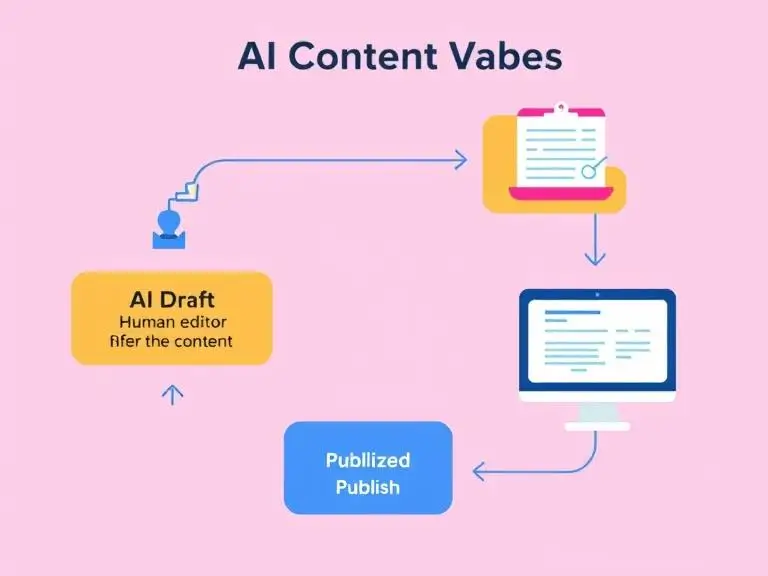
1. Use AI for Drafting, Not Publishing
Let the AI handle the initial structure, research summary, and draft writing, then have a human editor revise it for style, accuracy, and emotional depth.
2. Layer in Personal Insights
Add anecdotes, expert commentary, or original analysis to AI-generated content. This improves credibility and aligns with Google’s E-E-A-T ranking criteria.
3. Fact-Check and Optimize Manually
Double-check all statistics, dates, and references. AI-generated claims should be verified and cited using authoritative sources.
4. Use AI to Save Time, Not Replace Writers
Instead of replacing human talent, use AI to boost productivity, reduce writer’s block, and free up time for strategy and creativity.
How to Choose the Right AI Article Writing Tool for Your Needs
With dozens of AI writing tools available in 2025, choosing the best one can be overwhelming. The right tool depends on your content objectives, workflow, and budget. Whether you’re a solo blogger, an SEO agency, or an eCommerce business, selecting the right AI article writing tool is essential for ranking higher on Google, improving content quality, and saving time.
This guide breaks down a step-by-step method to help you find a tool that truly fits your content strategy.

Define Your Content Goals
Before you even compare tools, you need to get clear on what you want the tool to accomplish.
Do you need long-form blog articles or short ad copy?
Tools like Zooli.ai and Writesonic are excellent for long-form SEO articles, while Rytr and Copy.ai are better for quick social posts or headlines.Is SEO ranking your top priority?
If you want to drive organic traffic, prioritize tools that have SEO-first features, like keyword tracking, optimization tips, and meta description generators.Do you work solo or with a team?
Some tools offer collaborative workspaces and team seats, ideal for agencies or marketing teams managing multiple projects.
Defining these goals will help you eliminate tools that don’t align with your objectives.

Evaluate Tool Capabilities and Pricing
Every AI article writing tool has its own feature set and pricing structure, so evaluate based on functionality and affordability.
Key features to compare:
SEO optimization tools (keyword analysis, readability scoring, meta data)
Content format options (blog, email, product description, etc.)
Tone and brand voice customization
Word count limits and monthly usage caps
Export formats (HTML, DOCX, direct WordPress upload)
Pricing Tips:
Look for free trials or demo credits to test functionality before committing.
Consider whether the tool offers value for scale—monthly pricing can vary based on your content volume.
Tools like Zooli.ai offer a cost-effective SEO-integrated platform, ideal for users who want premium features without agency-level pricing.
Test and Compare Output Quality
Once you’ve shortlisted a few tools, it’s time to run real tests.
Create sample articles using the same topic in each tool to evaluate:
Grammar and sentence flow
Use of keywords
Tone alignment with your brand
Heading and paragraph structure
Content originality and usefulness
Check for robotic phrasing or repetitive structures. A good AI writing tool will sound natural, helpful, and aligned with your audience’s expectations.
Keep in mind that even the most advanced AI tool benefits from human editing for creativity and personalization.

Look for Tools with SEO and Plagiarism Checks
Built-in SEO tools and plagiarism detection are essential for creating content that performs well on search engines and avoids penalties.
SEO Capabilities to Look For:
Real-time keyword density suggestions
Headline and meta description optimization
Readability scoring
Internal linking suggestions
Plagiarism Checking:
Built-in checkers save time and ensure that your content is 100% original. Some tools integrate with services like Copyscape or use their own AI-powered checks.
Frequently Asked Questions About AI Article Writing Tools
Choosing the right AI article writing tool can be confusing—especially with so many options available in 2025. This FAQ section addresses the most common questions users have, helping you make an informed decision that supports your SEO goals, content quality, and publishing workflow.

What is the best AI article writing tool in 2025?
While there are many powerful tools available, Zooli.ai stands out as the top AI article writing tool in 2025. It offers advanced SEO optimization, real-time keyword tracking, meta tag suggestions, and plagiarism detection—all in one platform. It’s designed for bloggers, marketers, and agencies looking for a smart, scalable solution to boost organic rankings and content output.
Other notable tools include Jasper, Copy.ai, Writesonic, and Rytr, but Zooli.ai offers the best balance of quality, affordability, and integrated SEO support.
Can AI-generated content rank on Google?
Yes, AI-generated content can rank on Google—if it’s optimized correctly and provides value. Google focuses on E-E-A-T principles (Experience, Expertise, Authoritativeness, Trustworthiness). This means:
Use AI to speed up your writing
Optimize content with keywords, internal links, and meta descriptions
Add human-edited insights to improve trust and originality
Top-performing AI tools like Zooli.ai are built with Google’s ranking signals in mind, helping users write articles that meet SEO standards while sounding natural.
Is AI content plagiarism-free?
Most modern AI article writing tools generate original content, but it’s always recommended to run a plagiarism check. Tools like Zooli.ai include built-in plagiarism detection to ensure your content is 100% unique.
However, low-quality or outdated AI tools may unintentionally repeat phrases or mimic existing content, so always verify before publishing.
How much does an AI article writing tool cost?
AI writing tools typically operate on a subscription model. Here’s a quick overview of pricing tiers:
Free plans or trials: Limited word count, basic features
Mid-tier ($10–$50/month): Access to SEO tools, tone control, formatting features
Premium ($60–$100+/month): Includes team collaboration, long-form writing, CMS integration, and plagiarism checks
Zooli.ai offers a competitive price-to-value ratio, especially for users focused on SEO and long-form blogging.
Should I replace my human writers with AI?
No—AI should enhance your writing process, not replace human creativity. AI is excellent at:
Generating outlines and rough drafts
Inserting SEO keywords
Expanding content quickly
But human editors are essential for:
Adding personality, emotion, and creativity
Verifying facts
Ensuring brand tone consistency
The best approach is to use AI to accelerate content creation, then refine it with human expertise for the best results.

Conclusion
AI article writing tools have transformed how we create, optimize, and scale content in the digital era. Whether you’re a solo blogger aiming for better SEO results or a business managing large-scale content production, the right tool can make all the difference. With smart platforms like Zooli.ai leading the way, users now have access to advanced features such as keyword optimization, plagiarism detection, and customizable tone settings—all designed to produce high-ranking, reader-friendly content. However, the key to long-term success lies in using AI as a powerful assistant, not a total replacement. By combining AI efficiency with human creativity and editing, you can consistently publish high-quality content that ranks well, engages your audience, and builds authority online.