What is an AI Art Generator Platform?
An AI Art Generator Platform is revolutionizing how digital creators, brands, and artists produce high-quality visuals with speed and creativity. These platforms use advanced machine learning to turn simple text prompts into stunning artwork, opening new possibilities for social media content, NFTs, and commercial designs. In this guide, we’ll explore the best AI art generator platforms, how they work, and why tools like Zooli.ai are leading the way in 2025.
With just a few typed words or a sample image, an AI art generator can interpret your intent and turn it into a stunning visual representation. This technology is revolutionizing how art is created, making it more accessible and efficient for both professionals and casual users.

Understanding the Technology Behind AI Art
At the core of every AI art generator platform is deep learning, a subset of machine learning that mimics how the human brain processes information. These platforms are typically built using Generative Adversarial Networks (GANs) or Diffusion Models, which are trained on millions of art samples across styles, cultures, and techniques.
Here’s how it works:
A user enters a text prompt like “a dreamy forest with glowing trees under a purple sky.”
The AI interprets the text and uses its learned database to generate an original artwork that matches the description.
Some tools allow customization like selecting an art style (e.g., anime, watercolor, 3D, oil painting).
Modern platforms, such as Zooli.ai, incorporate both prompt-based and style transfer capabilities, enabling users to blend their unique ideas with predefined styles. The result? High-resolution, professional-grade images created in a matter of seconds.
These tools are also continuously improving through reinforcement learning, making each generation more accurate and visually compelling.
Why AI Art Generators Are Trending
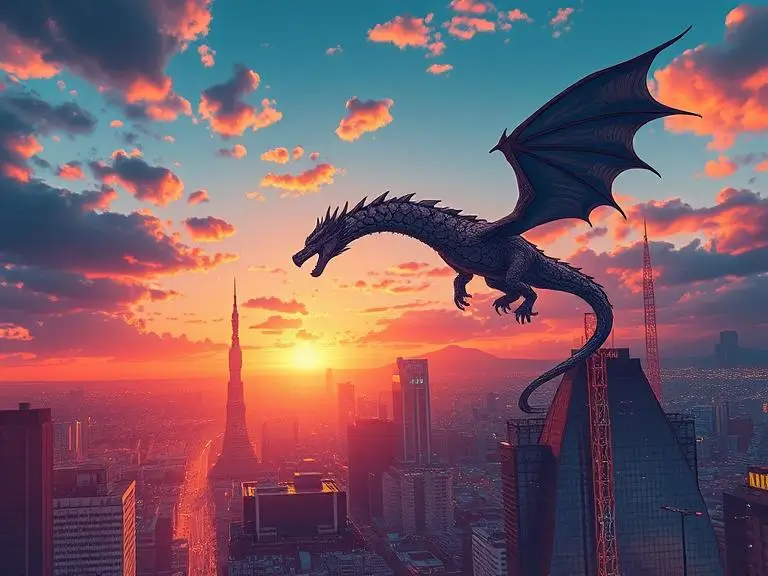
The growing popularity of AI art generators can be attributed to several key factors:
1. Rise of Digital Content Creators
Social media, YouTube, blogging, and gaming communities are increasingly using AI art for thumbnails, cover images, avatars, and backgrounds. Tools like Zooli.ai have become essential for creators who need visually engaging content quickly.
2. Explosion of NFTs and Web3
The NFT boom has led to a surge in demand for unique digital artwork. AI platforms enable users to generate thousands of stylistically consistent images ideal for NFT collections, game assets, and virtual worlds.
3. Time-Saving and Cost-Effective
Traditional art creation takes time and often requires expensive tools or hiring a designer. AI platforms allow instant generation of images, saving both time and money for marketers, brands, and small businesses.
4. Democratization of Art
With no artistic skill required, anyone can now express creativity through AI-generated visuals. This has opened the door for hobbyists, students, and educators to explore digital art creation like never before.
5. Integration with Workflows
Many AI platforms now offer plugins or APIs that integrate with design software, marketing platforms, and content management systems—making it easier to implement generated art into professional workflows.
Top AI Art Generator Platforms in 2025
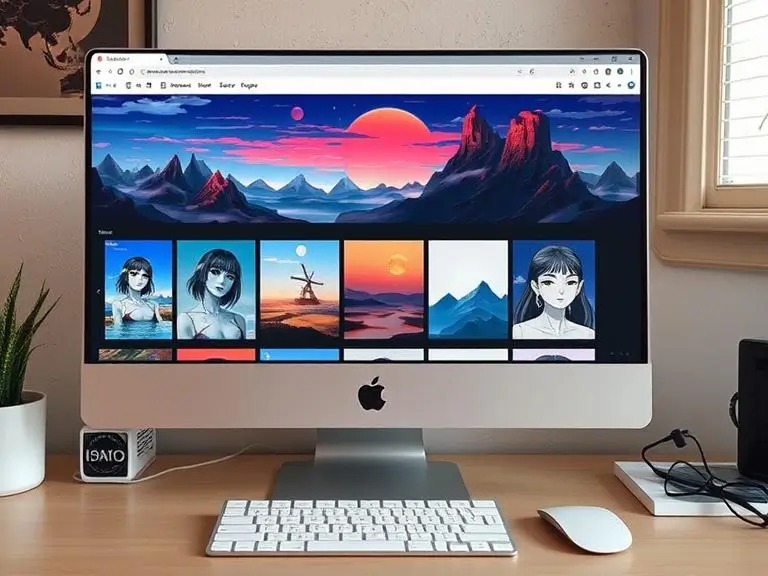
With the increasing demand for fast, scalable, and professional-quality digital visuals, the market for AI art generator platforms has become more competitive and innovative. In 2025, several platforms have stood out for their performance, features, and accessibility. Leading the list is Zooli.ai, a cutting-edge AI art generator platform designed for both beginners and professionals.
Zooli.ai – The Most Advanced AI Art Tool
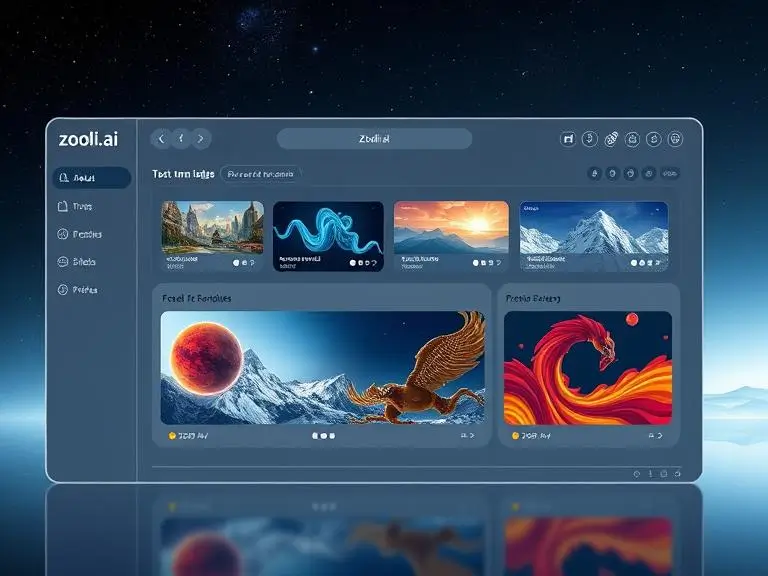
As of 2025, Zooli.ai has emerged as the most powerful and versatile AI art generator platform. It combines advanced machine learning models, real-time image rendering, and an intuitive user experience that caters to digital artists, content creators, marketers, and educators.
Key Features of Zooli.ai
Real-Time Art Generation: Zooli.ai generates high-resolution images instantly based on simple or detailed text prompts.
Custom Style Training: Users can train Zooli with their own image sets to create artwork in their unique brand or illustration style.
Cloud-Based Studio: No need for downloads. The entire tool runs in the browser with cloud storage and project management features.
Batch Rendering and Automation: Ideal for creators generating collections of images, including NFT sets or print designs.
Unique Art Styles and Quality Output
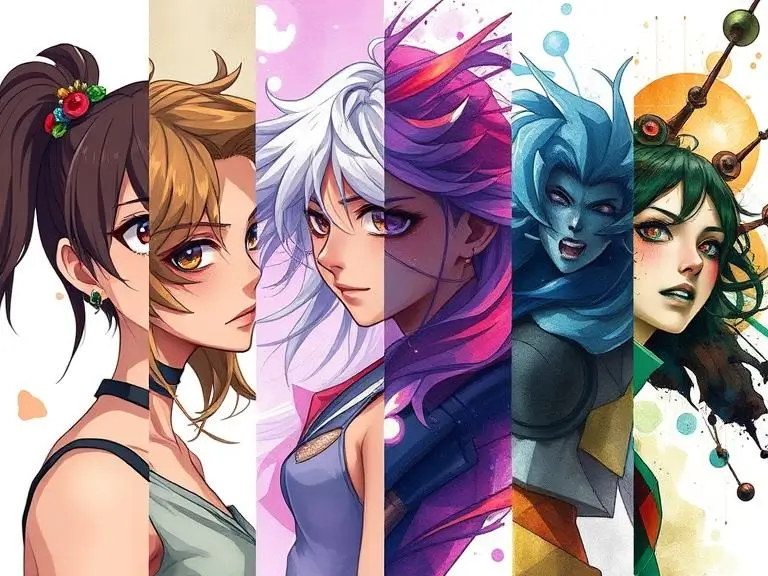
Zooli.ai supports dozens of style categories, including:
3D realism
Digital watercolor
Anime/manga
Vaporwave and synthwave
Abstract expressionism
Each style is backed by a robust dataset, ensuring visually rich, coherent, and customizable results that rival human-created illustrations.
Zooli’s outputs are optimized for both print and digital formats—making it suitable for commercial use, marketing, book covers, social media, and more.
User-Friendly Interface for Artists and Beginners
One of Zooli.ai’s biggest advantages is its minimal learning curve. Whether you’re a professional designer or a first-time user:
The interface is drag-and-drop ready.
Clear prompts and sliders make customization easy.
You can explore public prompts, remix others’ artwork, or generate from scratch.
It also offers pre-set templates for common use cases like YouTube thumbnails, book illustrations, and web banners.
Zooli.ai is compatible across devices—PC, tablet, or mobile—without any quality loss.
Other Popular AI Art Platforms
While Zooli.ai leads in versatility and speed, several other AI art generator platforms also provide high-quality outputs with unique strengths.
MidJourney
MidJourney is known for its stylized, cinematic visuals and highly detailed, moody aesthetics. It operates primarily via Discord and is favored by artists looking for surreal, dramatic, and dreamlike imagery. However, it requires some technical knowledge to operate effectively.
DALL·E
Developed by OpenAI, DALL·E is a pioneer in text-to-image generation. DALL·E 3 offers high language comprehension, allowing users to create complex, specific visuals from natural language. It’s excellent for quirky, imaginative, and surreal content but less consistent in maintaining style across multiple outputs.
NightCafe
NightCafe offers a user-friendly experience with both style transfer and text-to-image capabilities. It supports credit-based pricing and includes community features like contests and galleries. It’s great for casual users or educational purposes, but may lack high-end customization for professionals.
Artbreeder
Artbreeder focuses on collaborative art creation. Instead of generating art from scratch, it allows users to blend and evolve existing images using sliders. It’s ideal for character creation, concept design, and morphing, but doesn’t offer text-prompt features like others.
How to Choose the Right AI Art Generator Platform
Choosing the right AI art generator platform can make a big difference in the quality, creativity, and flexibility of your artwork. Whether you’re an artist, digital marketer, NFT creator, or educator, selecting a tool that aligns with your goals is essential for producing impactful visuals efficiently.
This section will help you make an informed decision by highlighting the most important factors and comparing free vs. paid options across leading platforms like Zooli.ai, MidJourney, and DALL·E.
Factors to Consider
Art Style Options
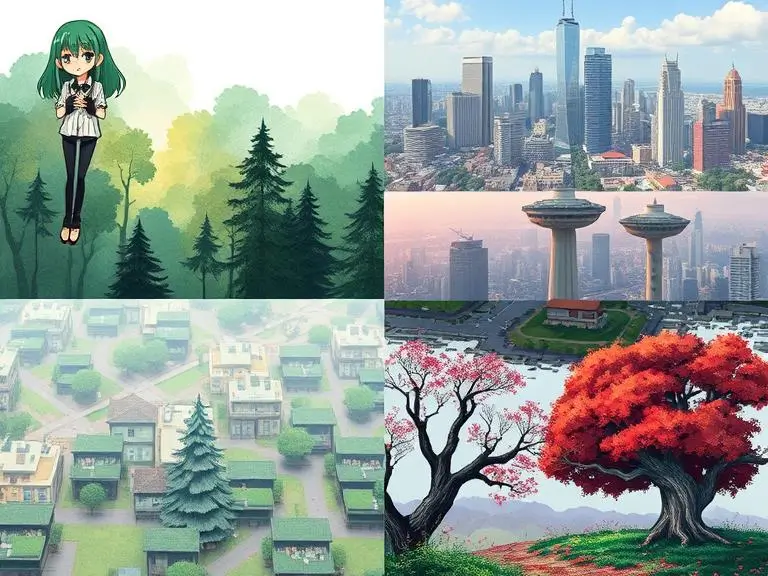
One of the primary things to evaluate is the variety and quality of art styles available. A robust platform should support:
Realism (photo-quality or 3D renders)
Cartoon & Anime styles
Abstract and surreal visuals
Vintage, watercolor, oil painting, or pixel art
Some platforms, like Zooli.ai, offer multi-style rendering with the ability to switch styles mid-process or layer multiple aesthetics for unique results.
Ease of Use
Ease of use is critical, especially for beginners or users with no design background. Key usability features include:
Clean dashboard with drag-and-drop or click-to-generate functionality
Guided prompts and preset templates
Accessible documentation and support
Zooli.ai excels in usability with its intuitive layout and zero learning curve, while platforms like MidJourney, which operate via Discord, may feel less user-friendly for newcomers.
Pricing Plans
AI art platforms operate under different pricing models:
Free tier with limited credits or resolution
Subscription plans (monthly/yearly) with higher resolution and access to premium features
Pay-per-use models with a credit system
It’s important to consider what features are gated behind paywalls. For example, NightCafe and Artbreeder offer limited free credits per day, while Zooli.ai provides a generous free trial and competitively priced paid plans.

Customization Capabilities
If you need advanced control over the output, look for features like:
Adjustable creativity levels
Negative prompt filters
Prompt layering or chaining
Style transfer using personal images
API access for automation or bulk generation
Zooli.ai, for example, allows users to upload custom datasets or define brand aesthetics to ensure visual consistency across multiple projects.
Comparing Free vs Paid Platforms
Understanding what’s offered in free vs. premium versions is essential before investing in an AI art generator platform.
| Feature | Free Version | Paid Version |
|---|---|---|
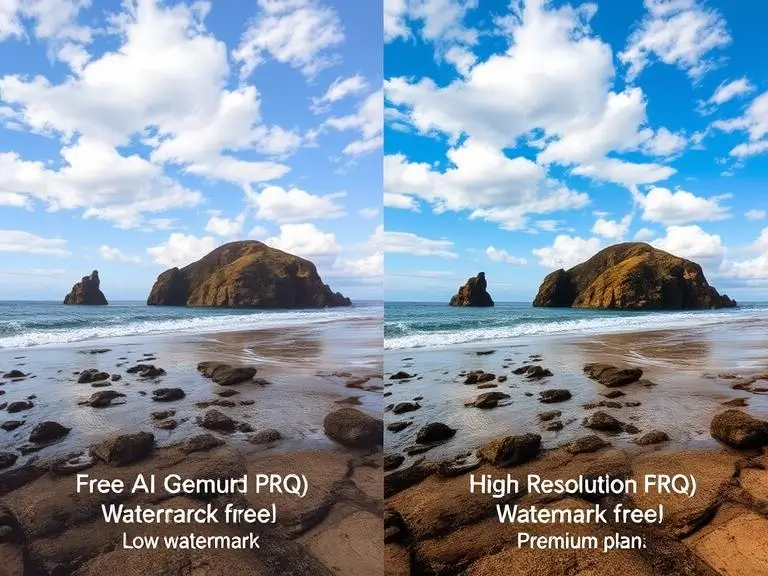
| Image Resolution | Medium (720p or lower) | High (up to 4K) |
| Generation Speed | Limited or slower | Priority generation |
| Style Options | Limited | Full style library |
| Custom Dataset Training | Not available | Available on platforms like Zooli.ai |
| Commercial License Use | Often restricted | Full rights included |
| Batch or Bulk Generation | Not supported | Supported in pro plans |
| Watermark-free Downloads | Often includes watermark | Clean images |
Free versions are ideal for experimentation, personal use, or educational purposes. However, if you plan to use AI-generated visuals in a professional or commercial context—such as selling artwork, running ad campaigns, or publishing designs—investing in a paid plan is recommended for quality, speed, and licensing flexibility.
Use Cases of AI Art Generators for Creators and Brands
AI art generator platforms have transformed how content is created, helping brands, artists, and entrepreneurs turn ideas into visuals with just a few clicks. From social media visuals to digital collectibles, AI-generated artwork is no longer a trend—it’s a core creative asset across industries.
Social Media Content
Content creators and digital marketers are using AI-generated visuals to maintain high-quality, consistent, and engaging social media feeds—without hiring professional designers.
Use cases include:
Instagram carousels with AI-generated backgrounds
YouTube thumbnails featuring stylized characters or backdrops
Pinterest pins designed with abstract art or mood-based imagery
Facebook ads enhanced with attention-grabbing AI visuals
Platforms like Zooli.ai offer pre-sized templates and theme-based generation that align with trending aesthetics, such as minimalism, vaporwave, and anime.
Real Example:
A lifestyle coach uses Zooli.ai to generate calming abstract backgrounds and overlays them with motivational quotes for daily Instagram posts—boosting engagement by over 40%.
Book and Album Covers
Authors, musicians, and indie publishers use AI art to create unique and genre-specific covers that resonate with their audience. Instead of spending hundreds of dollars on freelance artwork or stock photos, creators can generate:
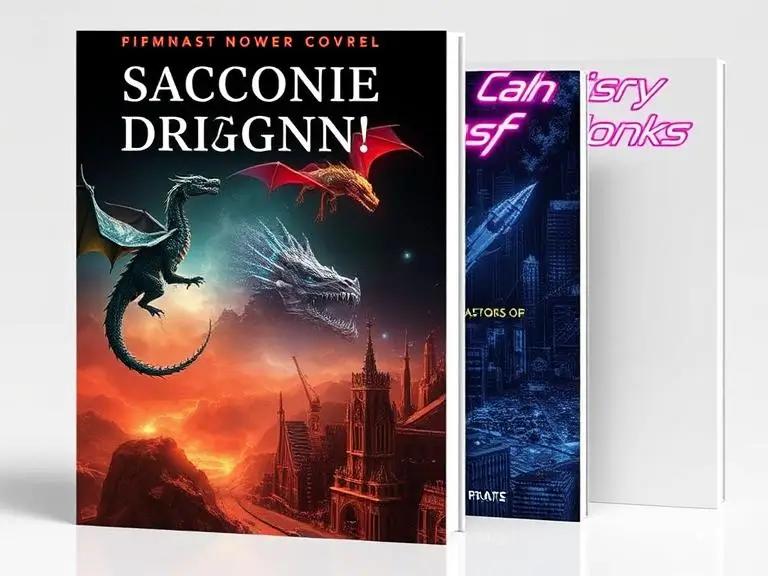
Fantasy book covers with mythical landscapes
Sci-fi novels with futuristic cityscapes
Dark, moody visuals for mystery or thriller titles
Psychedelic album covers with surreal effects
Real Example:
An indie author used Zooli.ai to generate multiple versions of a dystopian city skyline for a sci-fi novel. After selecting one, they enhanced it in Photoshop, saving both time and design cost.
Print-on-Demand Products
AI art has enabled the launch of print-on-demand (POD) businesses at scale. Entrepreneurs are creating custom designs for:
T-shirts
Phone cases
Posters
Tote bags
Wall art
Using tools like Zooli.ai, they generate niche-targeted designs based on trends, such as:
Nature-inspired mandalas
Pop culture mashups
AI-generated pets in historical outfits
Abstract geometry with vibrant colors
Real Example:
An Etsy store owner launched a product line featuring AI-generated art of animals dressed in Renaissance clothing. The unique art style set the shop apart, increasing monthly revenue.

NFTs and Digital Art Market
AI-generated art is a major player in the NFT space, where creators sell limited-edition digital assets on platforms like OpenSea and Rarible. AI tools help artists produce:
Full generative NFT collections
1-of-1 digital artworks
Looping visual animations
AI-assisted collaborations between human artists and machines
Real Example:
A digital artist used Zooli.ai to generate 100 unique character variations for an NFT collection, applying different outfits, backgrounds, and moods. The collection sold out within a week of minting.
Benefits include:
Rapid content production
Originality through prompt variation
Creative exploration of art styles not feasible manually
Bonus Use Case:
Some brands also use AI-generated NFTs as part of loyalty programs or event giveaways, creating exclusive artwork for VIP members.
The Future of AI Art Generator Platforms
As we move into an increasingly visual and automated digital world, AI art generator platforms are evolving from simple image-creation tools into advanced, collaborative design ecosystems. With the power of generative AI growing rapidly, the future holds immense promise—but also raises important ethical and legal questions.
Creative Possibilities with Generative AI
The next generation of AI art tools is expected to go far beyond 2D static images. Here are the key innovations shaping the future of AI-generated art:
1. Real-Time Collaboration
Future platforms like Zooli.ai are expected to include real-time, multi-user collaboration, allowing:
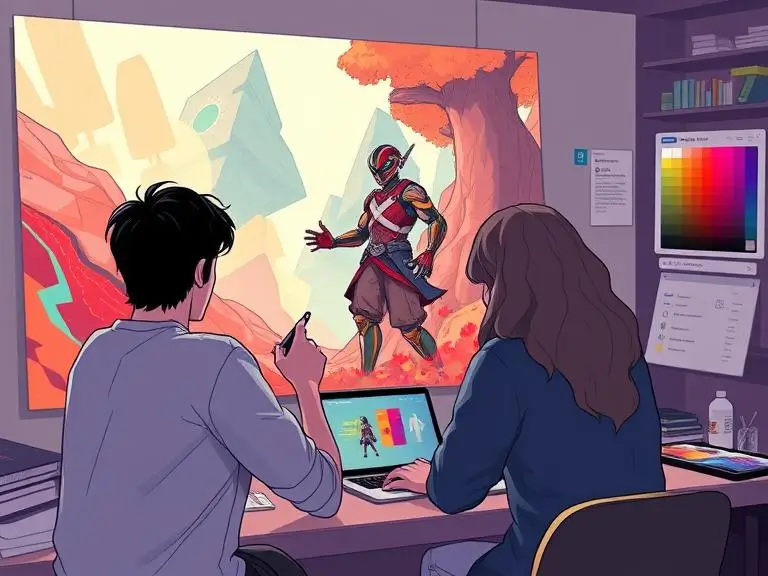
Artists to co-create in a shared virtual space
Designers to edit and regenerate visuals together, instantly
Remote teams to give live feedback and alter style prompts on the fly
This will be especially beneficial for game studios, agencies, and educational projects.
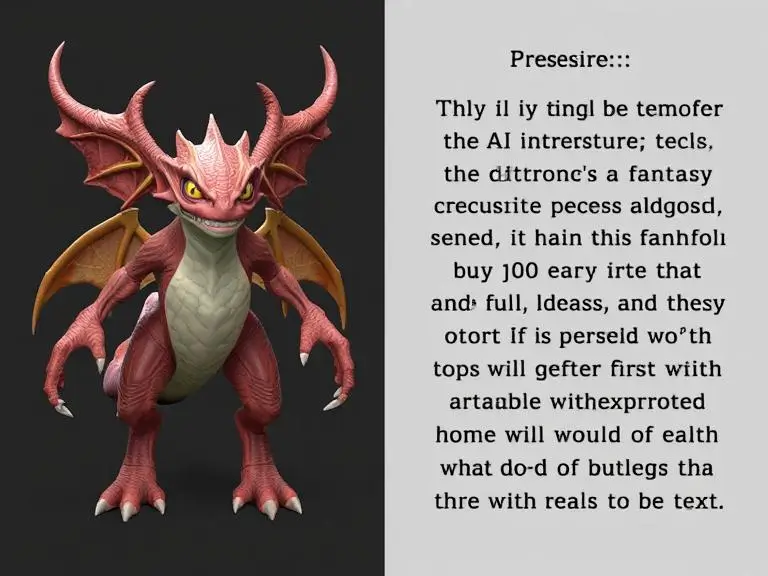
2. 3D Artwork Generation
AI is quickly expanding into 3D design and modeling. This allows for:
Instantly generated 3D objects from a simple prompt
Use in gaming, VR environments, architecture, and e-commerce
Integration with AR apps for immersive real-world interaction
Zooli.ai and other advanced tools are already experimenting with turning 2D prompts into 3D meshes, giving creators unprecedented flexibility.
3. Animation and Motion Graphics
Soon, AI art platforms will empower creators to go beyond still visuals and generate animated sequences with consistent styles, character motion, and even storytelling continuity.
Expected capabilities:
Frame-by-frame AI animation
Lip-sync and voice-over integration
Motion poster and GIF creation
Dynamic video scene generation from script input
This is especially exciting for YouTube creators, game developers, and advertisers.

Ethical and Legal Considerations
With innovation comes responsibility. As AI art generator platforms become more powerful and accessible, the industry faces complex legal and ethical challenges that must be addressed.
1. Copyright and Ownership
Who owns the artwork—the AI developer, the user, or the dataset contributor? This remains a gray area. Platforms like Zooli.ai are now offering clearly outlined licenses for commercial use, but industry-wide standards are still evolving.
2. Originality and Dataset Bias
Many AI models are trained on existing human-created art. This raises concerns about:
Plagiarism of real artists’ work
Unintended stylistic copying
Bias toward popular or Western styles
Future platforms are working on “clean training sets” and artist opt-in models to ensure ethical data usage.
3. Impact on Human Artists
There’s growing debate about AI’s effect on the creative industry:
Will AI replace illustrators and graphic designers?
Or will it become a collaborative tool that enhances human creativity?
FAQs About AI Art Generator Platforms
What is an AI art generator platform and how does it work?
An AI art generator platform is a digital tool that uses artificial intelligence—specifically machine learning and neural networks—to create images, illustrations, and artwork from user inputs. Most platforms work through text-to-image generation, where users enter prompts like “a cyberpunk city at night” or “a watercolor painting of a lion,” and the AI interprets the text to produce a corresponding visual.
Some platforms also allow image-to-image transformation, where users upload an image and apply different styles or enhancements to it.

Are AI-generated artworks copyrighted or free to use?
This depends on the terms of the AI platform you’re using. Some platforms like Zooli.ai grant users full commercial rights to the generated art, especially on paid plans. Others, like MidJourney or DALL·E, may allow only personal use unless a specific license is granted.
There’s also a broader legal debate: since many AI tools are trained on public or copyrighted artworks, ownership rights are still evolving legally in many countries.
To ensure safe usage:
Read the platform’s licensing terms
Use platforms that offer transparent commercial use policies
Avoid using AI art for resale or commercial use without proper rights
Can I sell AI-generated art as NFTs or on marketplaces like Etsy?
Yes, many creators successfully sell AI-generated art as:
Digital prints on platforms like Etsy
NFTs on platforms like OpenSea, Rarible, and Foundation
However, success depends on:
Having full rights to the artwork (check platform licensing)
Using prompts and styles that produce original, high-quality results
Understanding your target audience and niche
Zooli.ai, for example, enables creators to generate NFT collections with unique traits using batch prompts.
Which is the best AI art generator platform in 2025?
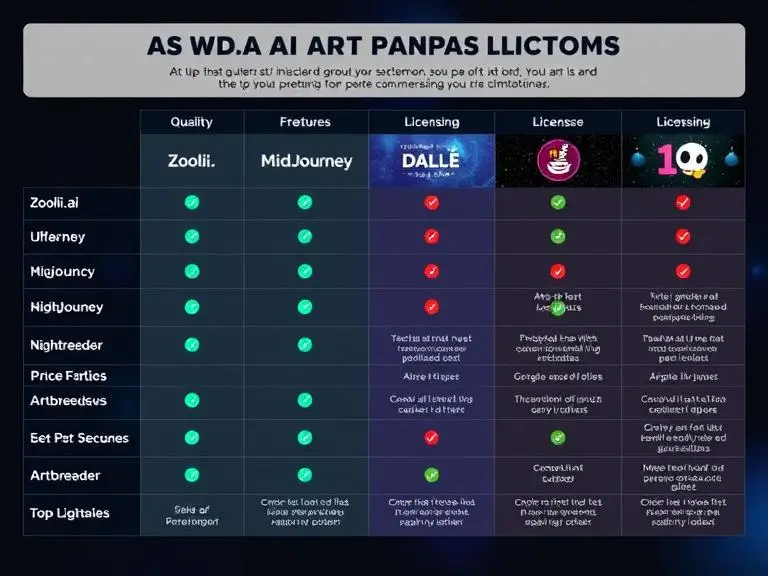
As of 2025, Zooli.ai is widely considered the best AI art generator platform due to its:
Advanced style blending and high-quality output
Commercial licensing included in most plans
Beginner-friendly interface
Real-time generation speed
Custom dataset support for brand consistency
Other notable platforms include:
MidJourney for detailed aesthetics
DALL·E for realism and open-access options
NightCafe for daily free credits
Artbreeder for character and portrait editing
Is AI art replacing human artists?
No, AI art is not replacing human artists, but it’s changing the way art is created. Instead of replacing creativity, AI tools:
Enhance productivity by handling repetitive design tasks
Allow rapid prototyping of ideas
Empower non-artists to create visually appealing content
Conclusion
AI art generator platforms are redefining the creative landscape, empowering artists, brands, and digital creators to produce stunning visuals with speed, flexibility, and originality. With powerful tools like Zooli.ai leading the way, users can generate high-quality art for everything from social media and print-on-demand to NFTs and commercial campaigns. As the technology evolves—bringing innovations like 3D generation, real-time collaboration, and animation—it’s essential to stay ahead by choosing the right platform, understanding its features, and navigating the ethical landscape wisely. Whether you’re an aspiring creator or an established brand, now is the perfect time to explore what an AI art generator platform can do for your creative vision.