What is Obama AI Voice?
Obama AI Voice refers to an advanced artificial intelligence (AI) system designed to replicate the distinct voice of former President Barack Obama. Using deep learning and speech synthesis technologies, this AI model can imitate Obama’s speech patterns, tone, and nuances in a highly realistic manner. The Obama AI Voice allows users to generate audio that sounds as if Obama is speaking, without requiring him to record the actual content.
This technology is a product of machine learning models trained on vast amounts of speech data. These models use neural networks to process and reproduce speech by recognizing and mimicking the unique characteristics of Obama’s voice. The Obama AI Voice is part of the broader trend in AI voice synthesis, where technology is used to create highly realistic voice models for various applications.
With applications in entertainment, media, and even customer service, Obama AI Voice has sparked interest in both its potential and its ethical implications.

Introduction to AI Voice Technology
AI voice technology is at the forefront of advancements in artificial intelligence and speech synthesis. It uses deep neural networks and machine learning algorithms to understand, generate, and replicate human speech. This technology can be used to mimic the speech patterns of any individual, making it possible to recreate voices with high precision.
In its simplest form, AI voice synthesis works by analyzing a database of recorded voices and speech patterns, learning from these recordings to generate synthetic speech. AI models like Google’s WaveNet and OpenAI’s GPT (like the one you’re interacting with) play a significant role in pushing the boundaries of realistic speech generation. By training these models on large datasets, AI voice systems can recreate the emotional tone, cadence, and intonation specific to any speaker, including public figures such as Barack Obama.
Obama AI Voice leverages this technology by using a massive dataset of Obama’s speeches, interviews, and public addresses. This allows the AI to capture the nuances of his voice, from his specific tone and speech rhythm to his pauses, inflections, and emphasis on words. The result is a voice that sounds indistinguishable from Obama’s real voice, even if it’s generated from text or commands.

How Obama AI Voice Works
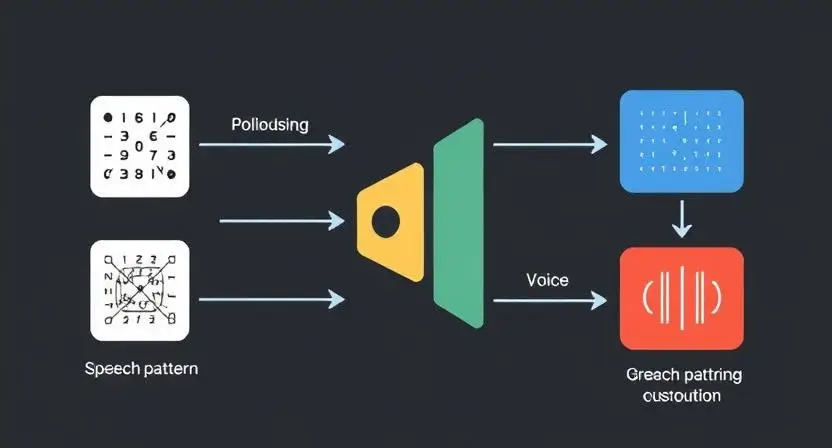
Obama AI Voice operates on a combination of advanced machine learning techniques, primarily deep learning, which involves training neural networks on extensive speech data. The process starts by recording and analyzing Obama’s past speeches, interviews, and other audio clips. These recordings are broken down into components like phonemes, pitch, and tempo, which are then encoded by the AI.
Once the AI has learned these components, it can generate new speech based on text input. When you input a phrase, the AI uses its knowledge of Obama’s speech patterns to produce an audio output that sounds like him. The AI also incorporates the nuances of his voice, including pauses, tone changes, and emphases on specific words, ensuring the result is as lifelike as possible.
Moreover, the technology behind Obama AI Voice is not static; it continues to improve over time as more data is added. This learning process makes the voice more accurate and adaptable to different contexts, tones, and situations. Whether it’s delivering a speech, answering questions, or making personal statements, the Obama AI Voice is highly versatile, capable of matching the context in which it is used.
How Does Obama AI Voice Compare to Other AI Voice Technologies?
Obama AI Voice stands out among the various AI voice technologies because of its unique ability to mimic the speech patterns, tone, and nuances of a specific individual – former President Barack Obama. While other AI voices, such as Siri, Alexa, and Google Assistant, focus on general-purpose speech synthesis, Obama AI Voice specializes in replicating a specific, recognizable voice. This specificity gives Obama AI Voice a distinct edge in terms of realism and personalization.
When comparing Obama AI Voice to other technologies, the key differences lie in the quality, accuracy, and application of the synthesized voices. While general-purpose AI voices are typically more standardized, Obama AI Voice offers a higher degree of customization, ensuring that the voice sounds like Obama even in different contexts and moods. This level of sophistication requires deep learning models trained on extensive data sets from Obama’s speeches, ensuring that the voice mimics his vocal cadence, speech style, and emotional tones with exceptional precision.
Other AI voice technologies, such as those developed by major tech companies, typically utilize more basic algorithms and training data, which focus on producing clear and neutral speech. In contrast, Obama AI Voice is designed for a unique purpose – to replicate a real person’s voice in a highly lifelike manner, making it ideal for applications like voice acting, media production, and personalized virtual assistants.

Advantages of Obama AI Voice
High Accuracy and Realism: One of the main advantages of Obama AI Voice is its unparalleled accuracy in replicating the distinct voice of Barack Obama. By using deep learning models trained on vast amounts of audio data from Obama’s speeches, interviews, and public appearances, the AI can reproduce not only the sound of his voice but also his speech patterns, emotional tone, and inflection. This allows for highly realistic voice generation, making it almost indistinguishable from Obama himself.
Versatility in Application: Obama AI Voice is incredibly versatile. It can be used in a wide range of applications, including media production, voiceovers, advertisements, virtual assistants, and even political simulations. For example, content creators can use the Obama AI Voice to create custom audio for projects that require a presidential tone or public speaking style, while brands can use it in advertising campaigns to create a powerful and recognizable voice.
Emotional Depth: Another advantage is the emotional depth Obama AI Voice can deliver. Unlike other generic AI voices that tend to sound robotic or monotone, Obama AI Voice captures the emotional undertones of the former president’s speech. Whether it’s a speech with a serious tone or a casual address, the AI model can adapt to reflect Obama’s emotional delivery, which adds a layer of authenticity to the synthetic voice.
Consistency Across Different Contexts: Obama AI Voice is highly consistent in replicating the president’s voice, even in varied contexts. Whether it is a formal speech or an informal statement, the AI is trained to maintain the same vocal nuances that make Obama’s voice distinctive. This consistency helps in maintaining the integrity of the voice over time, making it a reliable tool for repeated usage in projects.

Limitations and Ethical Concerns
While Obama AI Voice has many advantages, there are several limitations and ethical concerns that need to be addressed:
Potential for Misuse: One of the biggest concerns with Obama AI Voice, and similar AI voice technologies, is the potential for misuse. The ability to replicate a person’s voice with high accuracy raises concerns about deepfakes and impersonation. Malicious actors could use AI voice technology to create misleading audio recordings that appear to come from trusted public figures like Barack Obama, which could be used to spread misinformation or manipulate public opinion. This poses a significant challenge in ensuring the responsible use of AI voice technologies.
Lack of Emotional Authenticity: Despite its impressive accuracy, Obama AI Voice, like all AI voice technologies, cannot truly replicate the emotional authenticity of a real person. While it can mimic the emotional tone of Obama’s voice, it does not fully capture the nuanced decision-making or emotional experience behind the speech. This can sometimes make the voice sound slightly off or artificial, especially in emotionally charged situations where subtle emotional cues are important.
Ethical Implications of Voice Cloning: The ethical implications of cloning someone’s voice, particularly that of a well-known public figure like Obama, are a subject of debate. There are concerns about consent – whether it’s right to use an individual’s voice without their explicit approval, even if it is generated artificially. The possibility of voice cloning leading to unauthorized use of a person’s identity raises questions about privacy, consent, and the potential for exploitation.
Dependence on Quality Data: Obama AI Voice’s performance is heavily reliant on the quality and diversity of the data it is trained on. If the dataset is limited or lacks diversity, the AI might struggle to replicate certain speech patterns, emotions, or contexts accurately. This limitation can restrict the effectiveness of the voice synthesis, especially when dealing with complex or unfamiliar speech scenarios.
Applications of Obama AI Voice in Modern Technology
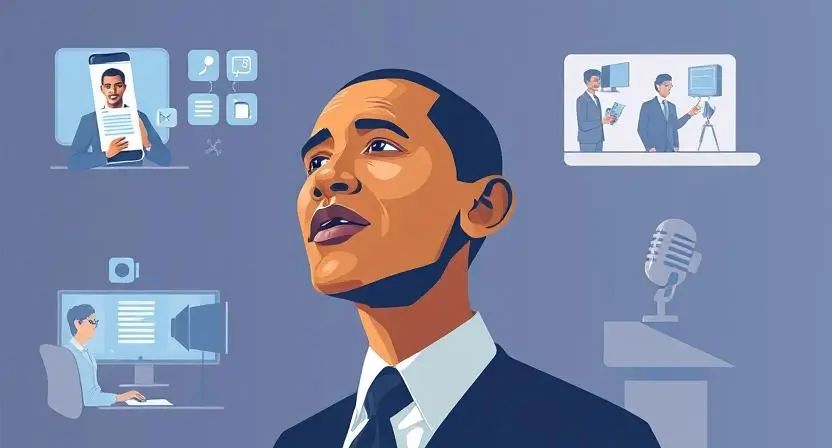
Obama AI Voice, built using sophisticated deep learning models, is finding its way into various industries due to its ability to replicate the voice of former President Barack Obama. From enhancing user experiences in entertainment and media to providing support in customer service, this AI voice has significant potential. As technology continues to evolve, AI voices like Obama’s are becoming integral tools in shaping the future of communication and interaction across multiple sectors.
The growing interest in AI-generated voices has led to new possibilities in voice synthesis, with Obama AI Voice being one of the most innovative examples. By leveraging machine learning and neural networks, Obama AI Voice can deliver high-quality, natural-sounding speech for various applications, from entertainment to real-time customer service.
Entertainment and Media
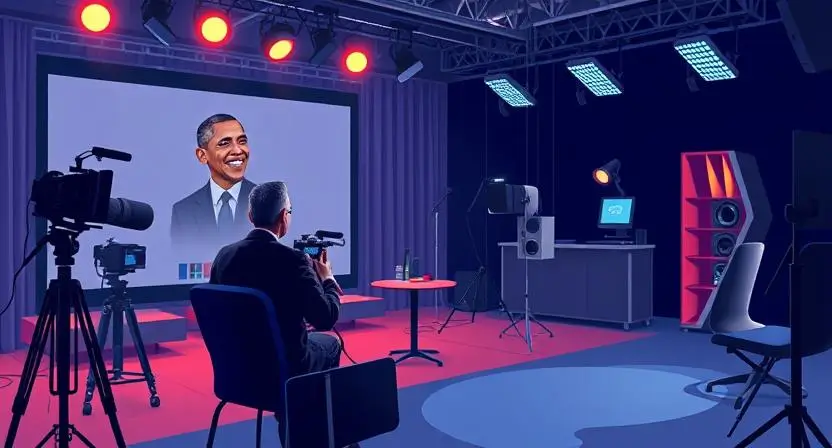
In the entertainment and media industries, Obama AI Voice is revolutionizing content creation. The ability to recreate Obama’s voice with such accuracy allows for unprecedented opportunities in voice acting, media productions, and public speeches. Hollywood studios, video game developers, and content creators are exploring ways to integrate AI voices into their projects, bringing to life characters or narrators that have the iconic tone and cadence of well-known figures.
One of the key uses of Obama AI Voice in entertainment is for voiceovers in documentaries, biographical films, and advertisements. Imagine a documentary about Barack Obama where the narrative is delivered by a voice that sounds identical to him. Not only does this add an authentic touch to the production, but it also enhances the viewer’s connection to the content. Similarly, video game developers can incorporate Obama AI Voice to bring characters to life, allowing for personalized interactions and adding an extra layer of realism to gameplay.
Moreover, AI voices like Obama’s are increasingly being used in virtual and augmented reality (VR/AR) environments to create immersive experiences. With the ability to generate real-time speech in virtual spaces, creators can make simulations, historical recreations, and interactive content feel much more engaging by utilizing a voice that is instantly recognizable.
Obama AI Voice is also transforming the landscape of entertainment by being used in advertising campaigns. Brands and companies can leverage this voice to create strong emotional connections with their audiences. The familiarity and authority associated with Obama’s voice make it a powerful tool for delivering messages in commercials, further emphasizing the importance of using trusted voices in marketing strategies.
Virtual Assistants and Customer Service
Another significant application of Obama AI Voice is in virtual assistants and customer service. As the use of AI-powered chatbots and assistants grows, brands are increasingly looking for ways to make these interactions more personalized and engaging. Obama AI Voice offers a compelling solution by adding a human-like quality to virtual assistants, making interactions feel more authentic and enjoyable for users.
Virtual assistants powered by Obama AI Voice can assist with everything from scheduling meetings to answering questions, providing recommendations, and performing tasks. The familiarity of Obama’s voice makes these interactions feel more trustworthy and engaging. For instance, a user interacting with an AI assistant in Obama’s voice might feel like they are receiving advice from a knowledgeable and charismatic figure, which can enhance the overall user experience.
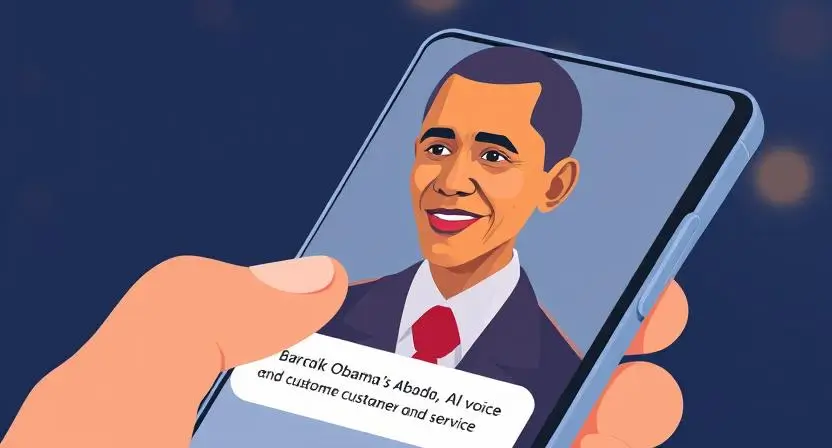
Beyond virtual assistants, Obama AI Voice is also being explored for use in customer service. Companies are integrating AI-driven customer support systems that can respond to customer inquiries with a voice that feels natural and personal. Instead of using generic, robotic-sounding voices, businesses are turning to Obama AI Voice to create a more relatable and engaging customer service experience. This personalized approach can help improve customer satisfaction by making users feel more heard and understood.
In addition, Obama AI Voice can be employed in interactive customer service applications, where it can deliver customized responses based on customer needs. Whether it’s a phone support system or a live chat interaction, using a well-known voice can make the process smoother and more engaging for users.
The Future of Obama AI Voice in Speech Synthesis
The future of Obama AI Voice in speech synthesis holds immense potential as AI and machine learning technologies continue to evolve. As these technologies advance, Obama AI Voice will become increasingly sophisticated, offering more natural, lifelike, and versatile voice interactions. The convergence of deep learning, neural networks, and natural language processing (NLP) will push the boundaries of what AI voices can achieve, making them even more personalized, realistic, and responsive.
Obama AI Voice, specifically designed to replicate the unique cadence, tone, and emotional depth of former President Barack Obama’s voice, serves as a benchmark for future developments in AI voice synthesis. As the demand for personalized AI interactions grows across industries, the future of Obama AI Voice will likely see innovations that allow for greater flexibility, accuracy, and broader applications in areas like entertainment, customer service, healthcare, education, and more.
Upcoming Developments in AI Voice Technology
In the coming years, several key developments in AI voice technology are expected to enhance the capabilities of Obama AI Voice and similar systems. These advancements will focus on improving naturalness, emotional expressiveness, and real-time adaptability, making AI voices more indistinguishable from human speech.
Improved Natural Language Processing (NLP): One of the key areas of development for Obama AI Voice is in NLP. Advances in NLP algorithms will allow AI voices to better understand context, tone, and emotions, enabling them to respond more naturally in conversations. As a result, Obama AI Voice will not only sound more realistic but also be able to adapt its speech patterns based on the nature of the conversation.
Emotion Recognition and Real-Time Adaptability: Future AI voice technologies will incorporate emotion recognition capabilities, allowing Obama AI Voice to detect the emotional tone of a conversation and adjust its responses accordingly. Whether it’s a light-hearted exchange or a serious discussion, Obama AI Voice will be able to alter its tone to match the emotional context, making interactions feel even more genuine.
Multilingual and Cross-Cultural Capabilities: As AI continues to globalize, future developments will make it possible for Obama AI Voice to speak in multiple languages while retaining the nuances of his voice and style. This would allow Obama AI Voice to cater to diverse audiences across the world, transcending language barriers while maintaining its signature sound. Additionally, the AI’s ability to adapt to different cultural contexts will make it a valuable tool for global brands and international organizations.
Enhanced Voice Customization: A key area of innovation will be in the customization of AI voices. Future developments will allow users to modify aspects of Obama’s AI voice, such as pitch, speed, and tone, to suit their specific needs. This level of personalization will make AI voices more adaptable to various applications, from personalized voice assistants to creative projects that require a distinct sound.
Potential Impact on Various Industries
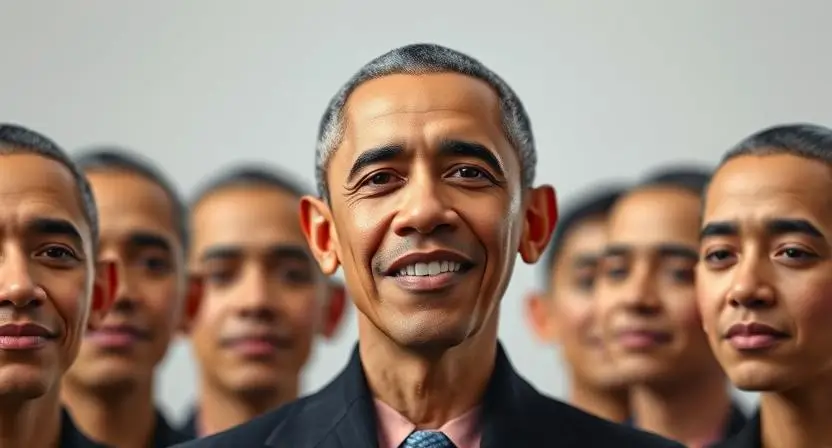
The impact of Obama AI Voice on different industries will be profound, as it continues to transform how companies and individuals interact with technology. With its ability to deliver realistic and emotionally nuanced speech, Obama AI Voice has the potential to reshape industries such as entertainment, customer service, marketing, healthcare, and education.
Entertainment and Media: The entertainment and media industries will continue to benefit from Obama AI Voice as it enables new forms of storytelling, voice acting, and content creation. The ability to replicate Obama’s voice allows creators to produce high-quality voiceovers for documentaries, films, and video games, while also allowing for historical simulations and realistic virtual characters. As AI technology advances, Obama AI Voice could even be used to create entirely new forms of entertainment, such as interactive experiences or AI-powered voice-driven content.
Customer Service and Virtual Assistants: In the customer service sector, Obama AI Voice will enhance user experiences by providing more personalized and engaging interactions. Virtual assistants powered by Obama AI Voice could handle customer inquiries, troubleshoot issues, and provide guidance, all while delivering a sense of trust and authority. The voice’s familiarity and authoritative tone could also make customer service more efficient, improving satisfaction and loyalty.
Healthcare and Therapy: Obama AI Voice could have a transformative impact on healthcare, particularly in mental health therapy and telemedicine. Virtual therapists and support systems could use Obama AI Voice to deliver calming, empathetic responses, providing patients with a sense of comfort and support. Additionally, the AI could be integrated into telehealth services, assisting patients in navigating complex medical information with a voice they trust.
Education and Training: AI voices like Obama’s will also play a role in education and training. Teachers and trainers could use AI voices to deliver lessons, provide feedback, and interact with students in a more engaging and interactive manner. Obama AI Voice’s ability to convey complex information in a clear and authoritative tone could make learning more effective, particularly in virtual or distance learning environments.
Advertising and Marketing: Obama AI Voice will continue to make an impact in advertising, where its familiar and persuasive tone can be used to create compelling commercials and promotional content. Brands may use Obama’s AI-generated voice to craft messages that resonate with audiences, leveraging the emotional weight and recognition associated with the former president’s voice.
How Secure is the Use of Obama AI Voice?
As the use of AI-generated voices, such as Obama AI Voice, grows across various sectors, concerns about security, privacy, and ethical implications become increasingly important. Obama AI Voice, like other AI voice technologies, relies on vast amounts of data to create a synthetic yet convincing voice that closely mimics its human counterpart. While this technology opens up innovative possibilities in entertainment, customer service, and beyond, it also introduces significant security risks that must be addressed to ensure safe and ethical use.
The primary concerns surrounding the security of Obama AI Voice revolve around the potential for misuse, such as privacy violations, data exploitation, and malicious activities like deepfake creation. As AI voice technology continues to evolve, securing the technology and implementing responsible guidelines will be critical to mitigate these risks and ensure its responsible use.

Privacy Concerns and Data Protection
With the use of Obama AI Voice comes the need for robust data protection measures. AI voice technology typically requires training on large datasets, which often include personal information, voice recordings, and other sensitive data. Ensuring privacy and protecting personal data is essential to preventing misuse and safeguarding users’ identities.
Data Collection and Consent: When Obama AI Voice is used for applications like virtual assistants or customer service, it may require access to users’ voice data to personalize responses and improve interactions. However, it is crucial that users are informed about the data being collected and provide explicit consent for its use. Without proper consent and transparency, the risk of violating privacy rights increases. Companies using AI voice technology must adhere to data protection laws, such as the GDPR (General Data Protection Regulation) in Europe, to ensure they are handling data responsibly.
Data Encryption and Storage: To protect sensitive data from unauthorized access, AI voice systems should implement end-to-end encryption. Voice recordings, personal details, and any other information shared with AI-powered platforms should be securely stored in encrypted formats to prevent data breaches. Without encryption, stored data is vulnerable to cyberattacks, which could lead to significant privacy violations.
User Anonymity: AI-generated voices like Obama’s should be designed to protect the anonymity of users interacting with these systems. Any voice data collected should be anonymized or pseudonymized to ensure that individual users cannot be personally identified. This can minimize the risk of data misuse and ensure that users’ privacy is respected.
Third-Party Risks: Another privacy concern arises when third-party developers or platforms integrate AI voice technology into their services. If these platforms do not follow stringent privacy and data protection protocols, users’ voice data could be at risk. Therefore, it is essential that developers working with AI voice technology conduct thorough security assessments and follow industry standards for data protection.

Addressing Deepfake and Voice Impersonation Risks
One of the most pressing risks associated with AI-generated voices like Obama AI Voice is the potential for deepfakes and voice impersonation. Deepfakes—manipulated media, including audio, video, and images—can be created using AI to deceive audiences, spread misinformation, and harm reputations. Obama AI Voice, being a recognizable and trusted figure, could be used maliciously to impersonate him and make false statements, which could lead to significant consequences.
Detection and Mitigation of Deepfakes: The creation of realistic deepfakes using Obama AI Voice necessitates the development of advanced detection technologies to identify fraudulent content. AI and machine learning models are being trained to spot signs of manipulated audio and video, which can help combat the spread of deepfakes. The ongoing development of these detection systems is crucial in ensuring that AI-generated voices are not used to deceive the public or manipulate information.
Regulation and Ethical Standards: To combat the misuse of Obama AI Voice in deepfake creation, strict regulations and ethical standards need to be established for AI voice technology. This includes guidelines on who can legally use such technology and for what purposes. For example, AI voice systems should only be used with the explicit consent of the individual being impersonated (if applicable), and any use of an AI-generated voice for fraudulent purposes should be met with legal consequences.
Auditing and Accountability: AI voice technology providers must be accountable for how their systems are used. This includes regular audits and monitoring to ensure that Obama AI Voice is not being misused for harmful purposes, such as creating deepfakes or impersonating individuals. Transparency in the development and deployment of AI systems is crucial to ensuring accountability and preventing misuse.
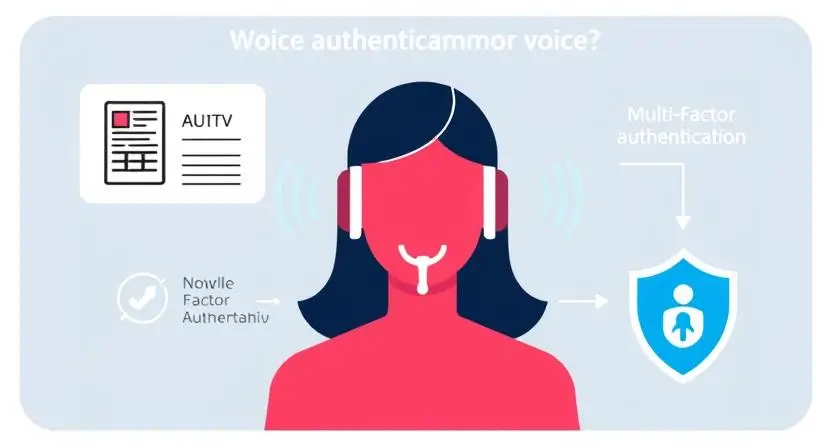
Authentication Protocols: To combat voice impersonation, advanced authentication protocols can be employed. For example, systems can be designed to verify the identity of the user interacting with Obama AI Voice, ensuring that the voice interaction is legitimate and not a malicious attempt to manipulate or impersonate. Multi-factor authentication (MFA) and voice biometrics can help distinguish between legitimate users and potential fraudsters, adding an additional layer of security.

FAQ: How Secure is the Use of Obama AI Voice?
What are the primary privacy concerns with using Obama AI Voice?
The primary privacy concerns with using Obama AI Voice revolve around the collection, storage, and potential misuse of sensitive voice data. AI voice technologies like Obama AI Voice require vast datasets of voice recordings and other personal data to create a realistic and functional synthetic voice. Without proper safeguards, this data could be accessed by unauthorized parties or used inappropriately, leading to privacy violations.
To mitigate these concerns, it is essential to ensure that data collection is done with explicit consent from users, and that all voice data is encrypted and securely stored. Additionally, regulations such as the General Data Protection Regulation (GDPR) in the EU provide a framework for ensuring that AI voice systems comply with privacy laws and protect personal information.

Can Obama AI Voice be used for deepfake creation?
Yes, Obama AI Voice, like other AI-generated voices, can potentially be used to create deepfakes—audio and video manipulations that impersonate individuals for malicious purposes. This technology has been increasingly exploited to deceive people, spread misinformation, and even damage reputations.
The risks associated with deepfakes are significant, especially when it comes to public figures like Barack Obama. AI voice models, such as Obama AI Voice, are capable of generating realistic-sounding audio that could be used to fabricate statements or actions that never occurred. However, there are growing efforts to detect deepfakes and prevent their spread, using AI and machine learning tools to analyze inconsistencies in the voice and visual content.

How can we protect against voice impersonation using Obama AI Voice?
Protecting against voice impersonation using Obama AI Voice requires implementing advanced security measures and creating robust verification systems. One key approach is to utilize multi-factor authentication (MFA), which combines voice recognition with other forms of authentication, such as passwords or biometric data, to verify the identity of users interacting with AI systems.
Additionally, voice biometrics can be used to detect subtle differences in voice tone and patterns, distinguishing between legitimate interactions and impersonations. Developers of Obama AI Voice should also implement safeguards that prevent unauthorized use of the technology for malicious purposes, ensuring that only approved individuals or organizations can generate voice content.
What steps can be taken to ensure data security with Obama AI Voice technology?
To ensure data security with Obama AI Voice, several key steps must be followed:
Data Encryption: All voice data collected by AI systems should be encrypted both during transmission and storage. This ensures that even if the data is intercepted, it cannot be accessed without the proper decryption key.
Secure Storage: AI-generated voices, as well as user interactions, should be securely stored in databases with restricted access to prevent unauthorized data breaches.
Regular Security Audits: Regular security audits of the AI voice systems should be conducted to identify potential vulnerabilities and ensure that data protection protocols are being followed.
Transparency and Consent: It is essential that users are informed about how their data will be used, and consent is obtained before any data is collected. Transparency builds trust and ensures that users are aware of how their personal information is being handled.

What are the ethical concerns surrounding Obama AI Voice?
The ethical concerns surrounding Obama AI Voice largely center around the potential for misuse in spreading misinformation, deepfakes, and voice impersonation. When a public figure’s voice can be replicated so accurately, there is a risk that it could be used to create fake speeches, endorsements, or statements that could influence public opinion or cause harm.
Moreover, there are concerns about consent, as public figures may not have granted permission for their voices to be used in AI systems. Therefore, it is essential to establish clear ethical guidelines and regulations for using AI-generated voices, ensuring that the technology is used for positive and legitimate purposes only.

Conclusion
In conclusion, while Obama AI Voice represents a remarkable advancement in artificial intelligence and speech synthesis, it also brings forward several important security, privacy, and ethical considerations. As AI voice technologies become more widely integrated into entertainment, customer service, and other sectors, it is crucial to address concerns related to data protection, deepfakes, and voice impersonation. By implementing robust encryption methods, ensuring transparency in data collection, and establishing ethical guidelines, we can harness the potential of Obama AI Voice in a secure and responsible manner. The future of AI voice technology holds great promise, but it requires careful oversight and innovation to ensure that it is used for positive and ethical purposes. As we move forward, continued collaboration between developers, regulators, and users will be essential to ensure that AI voice technology, including Obama AI Voice, benefits society while mitigating associated risks.